Jazz Loft
Jazz Loft is a residential transformation of a former 19th-century industrial mill by T2.a Architects. The project reflects how time, interruption, and reinterpretation can become integral to the architectural process, allowing the building to evolve into a more refined and meaningful form.
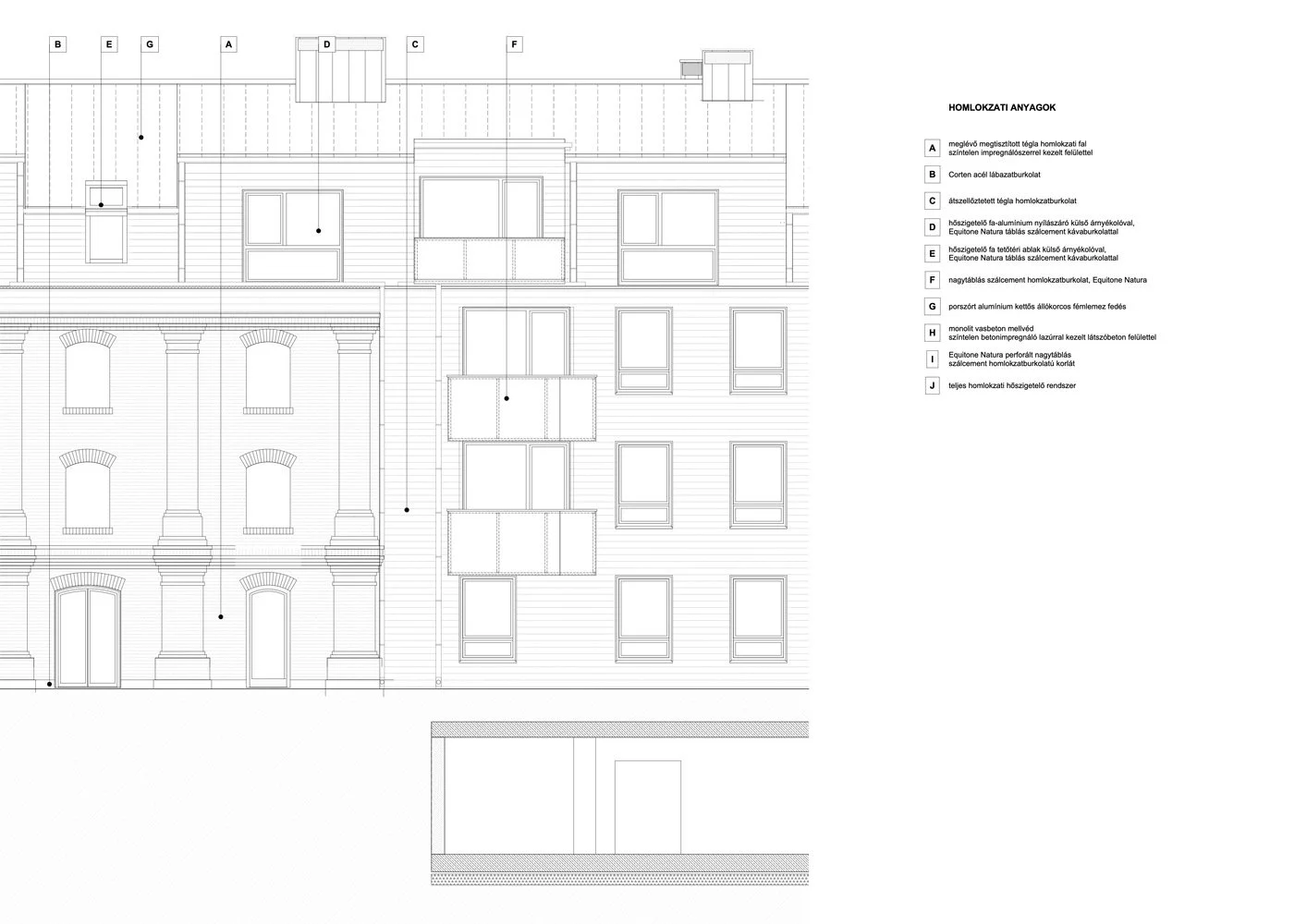
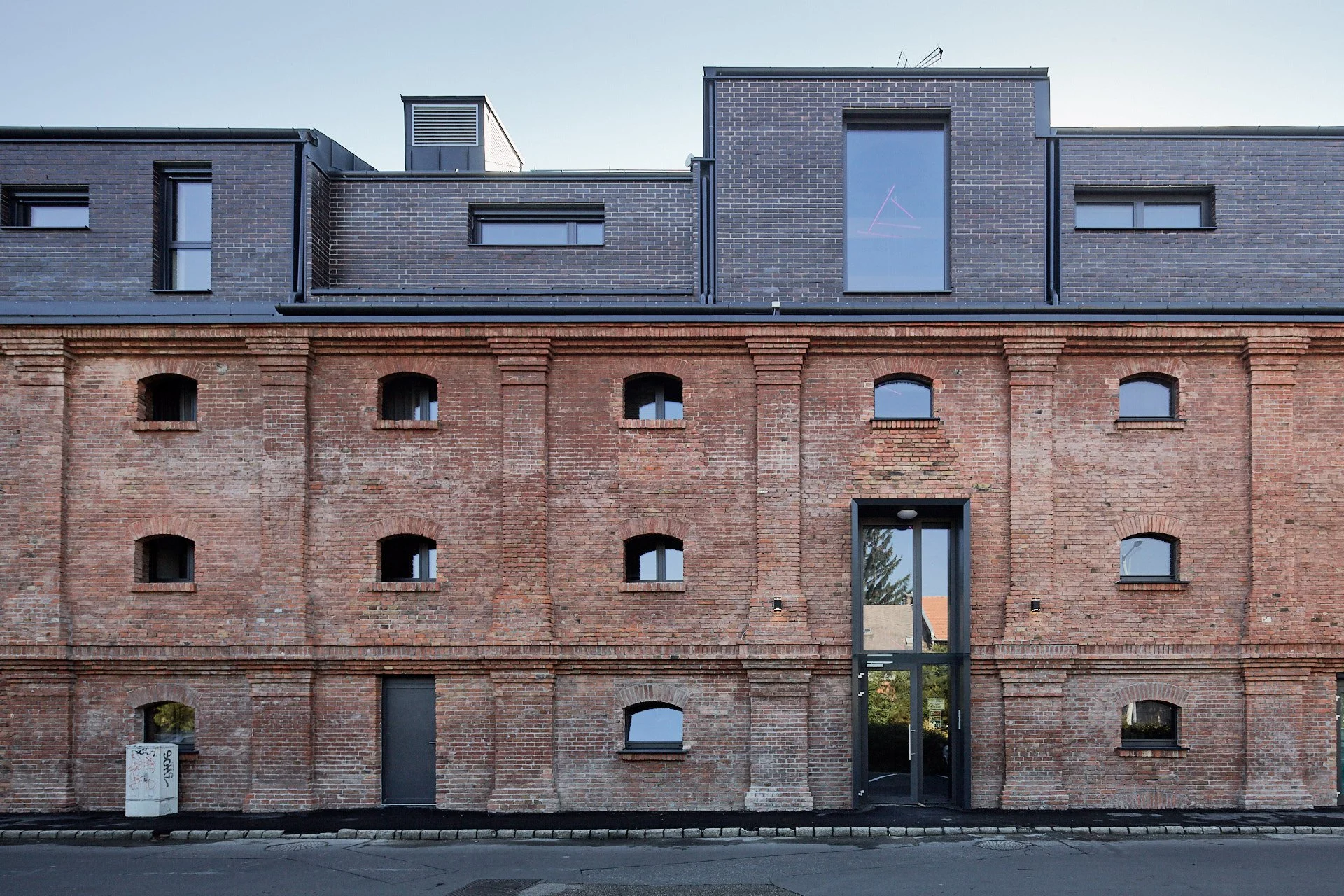
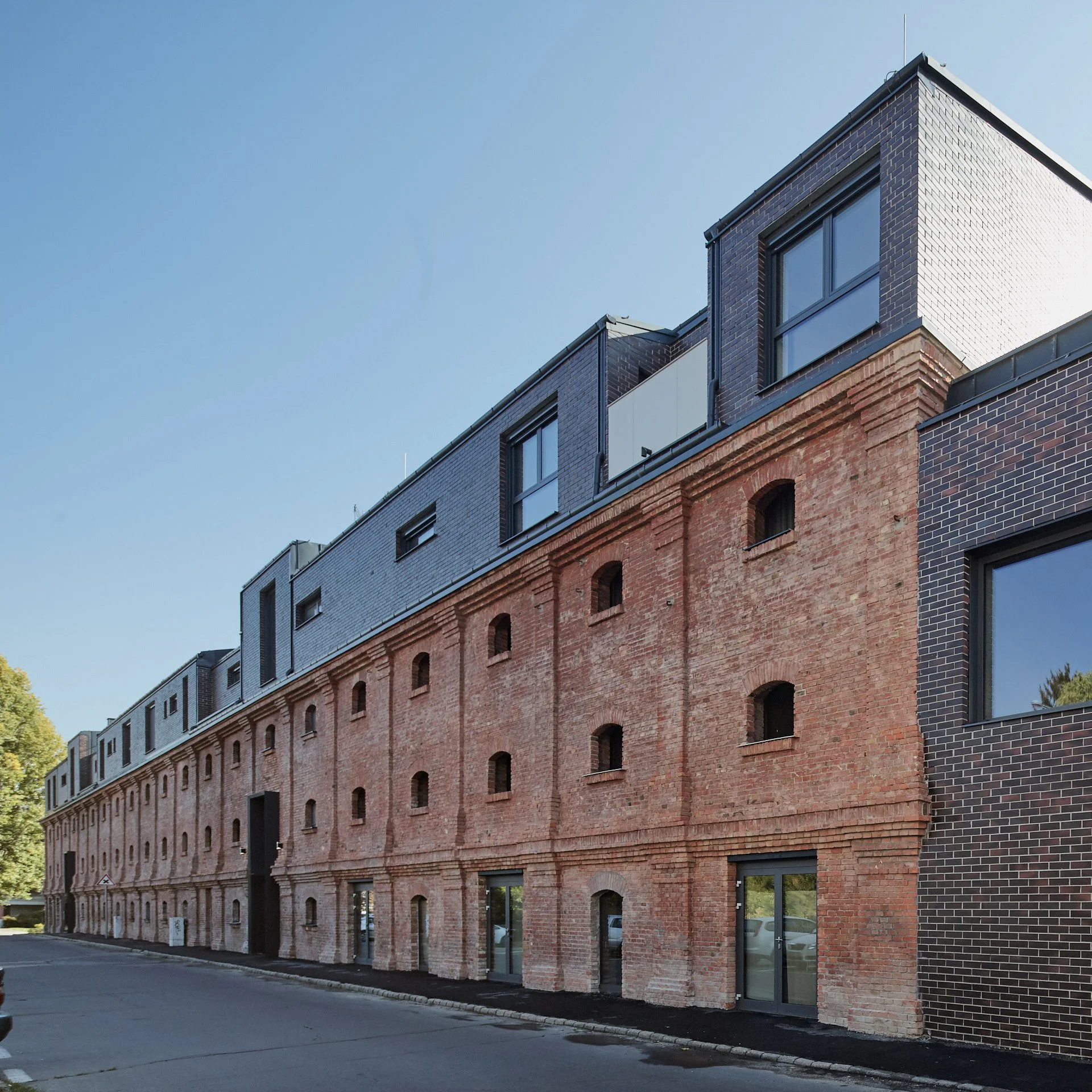
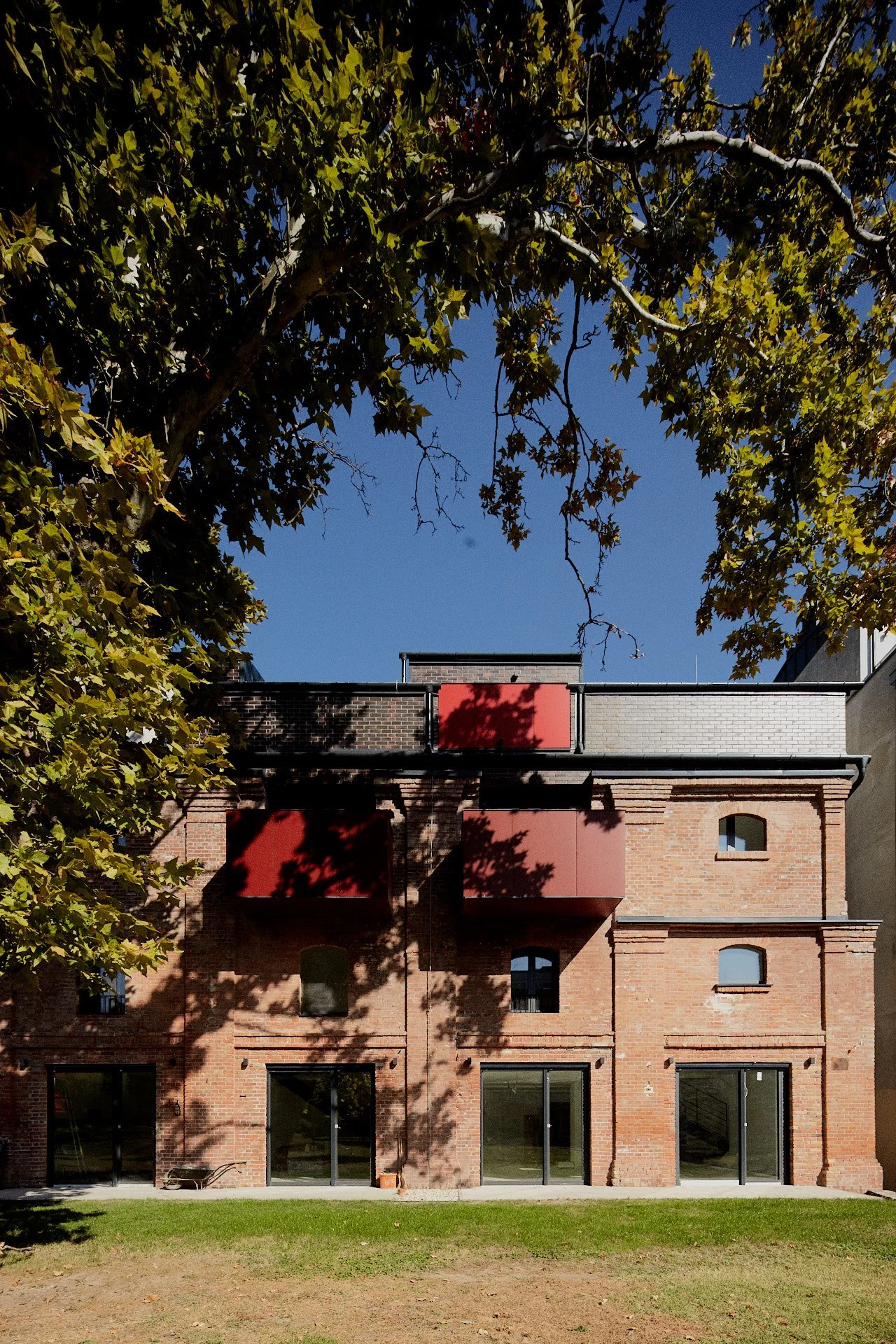
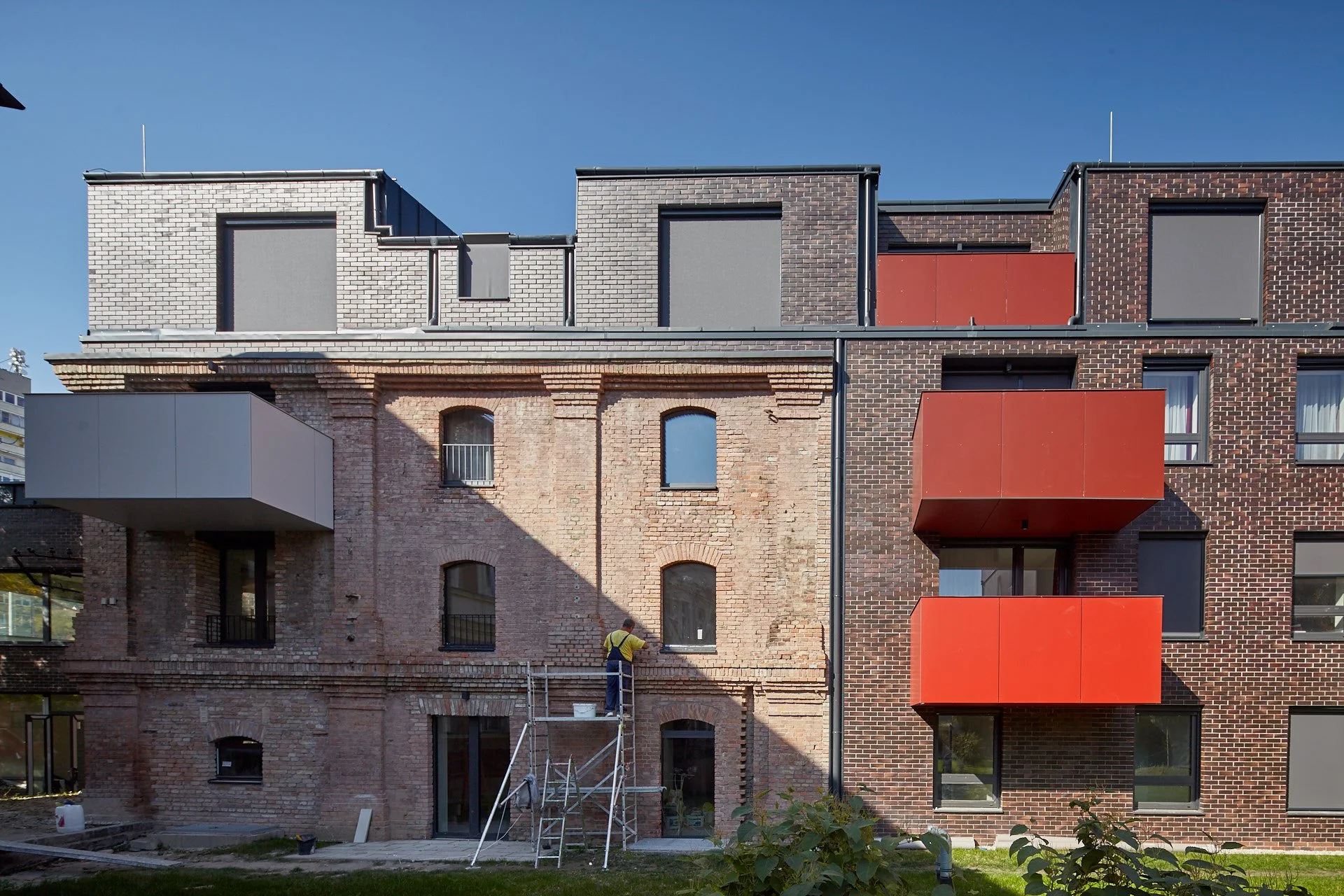
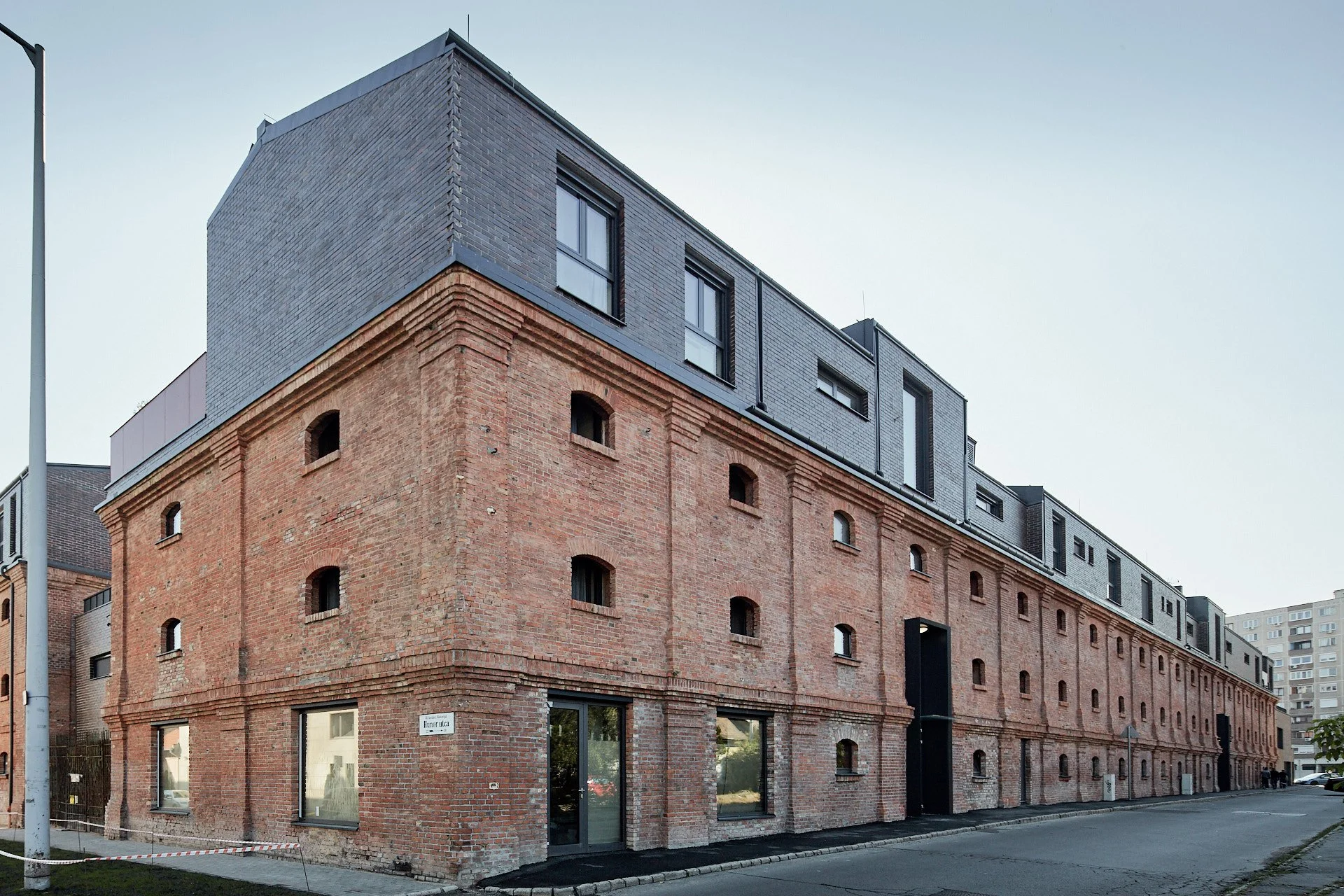
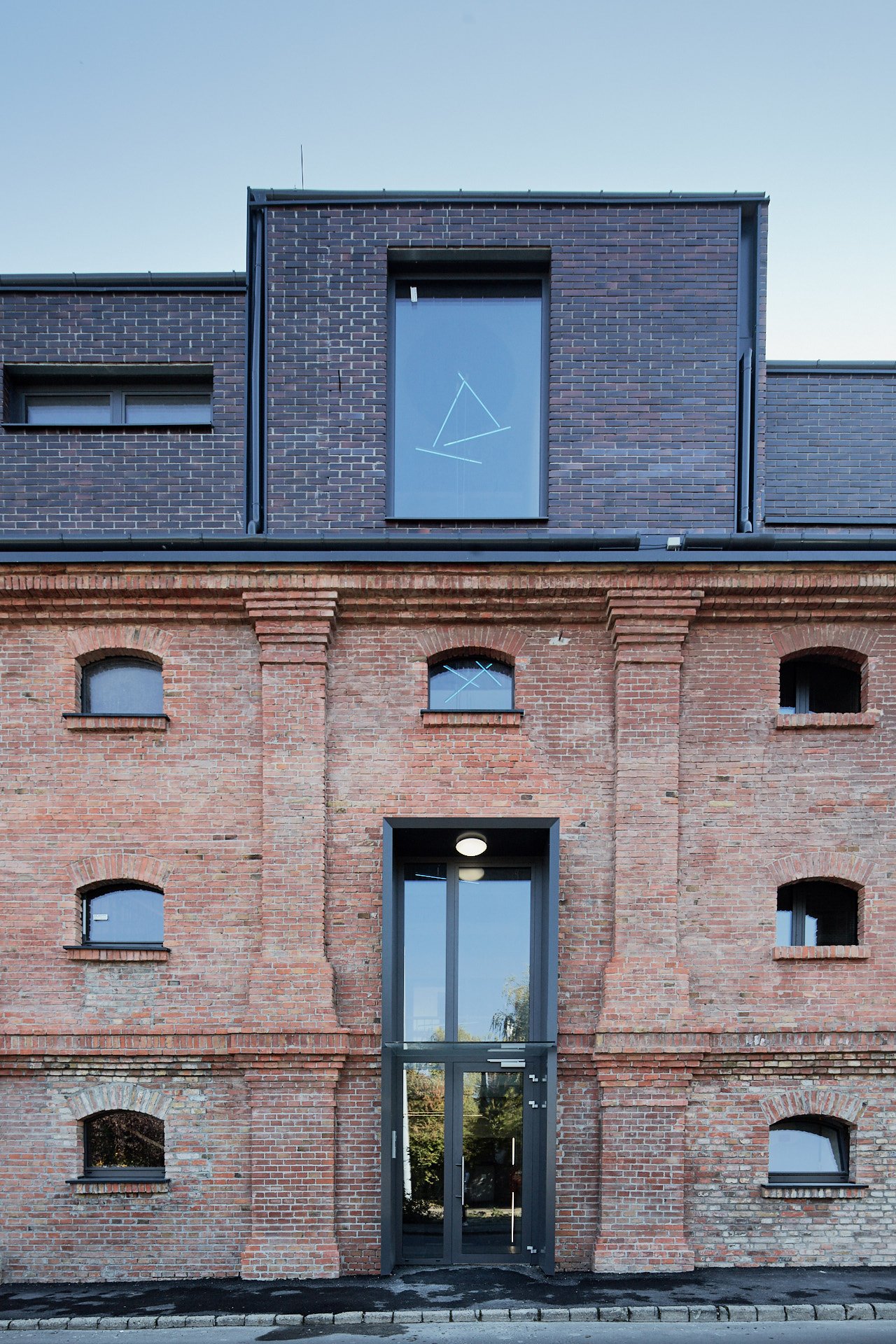
Originally built in the 1860s, the mill was carefully restored with a focus on preserving its industrial character. The historic red brick façade was reinforced with concrete, establishing a dialogue between the original structure and a contemporary architectural language.
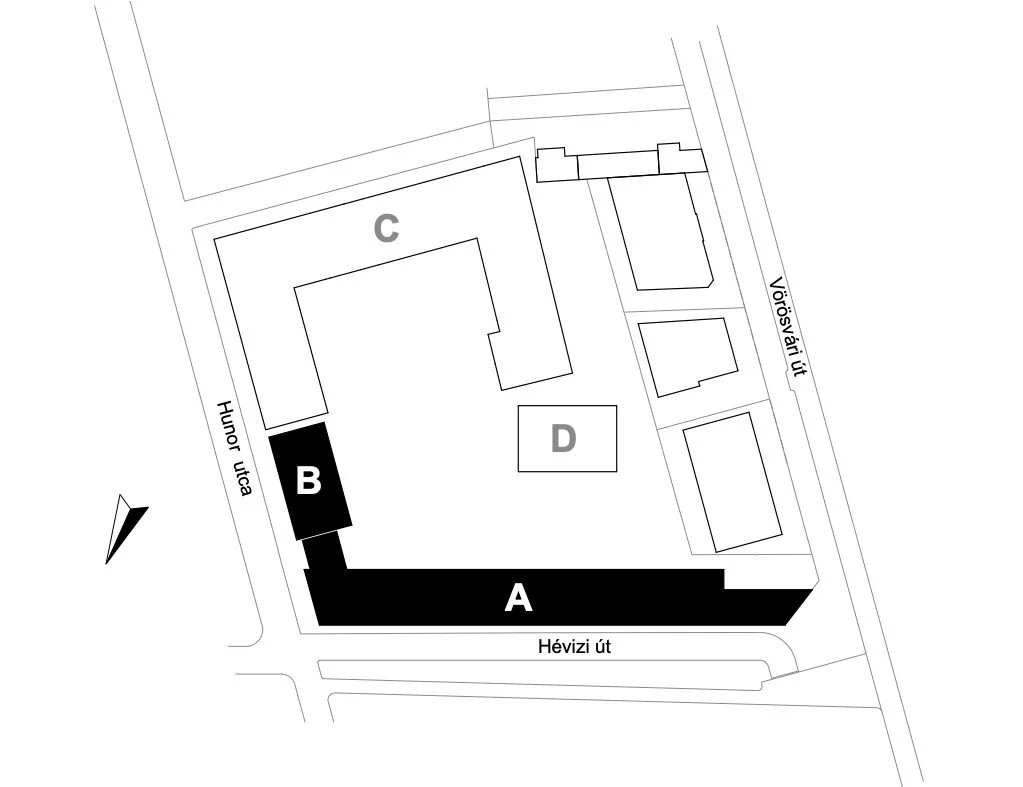
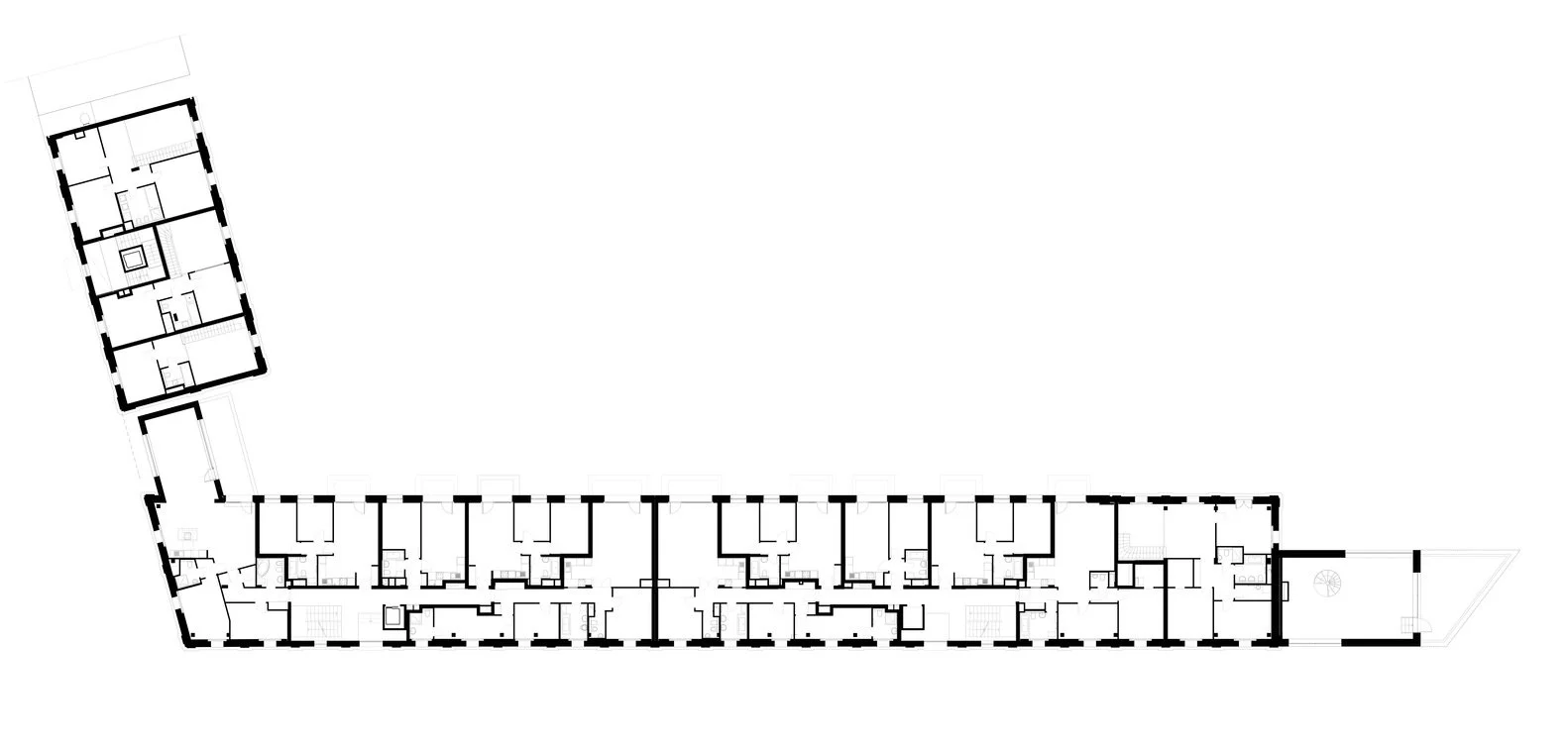
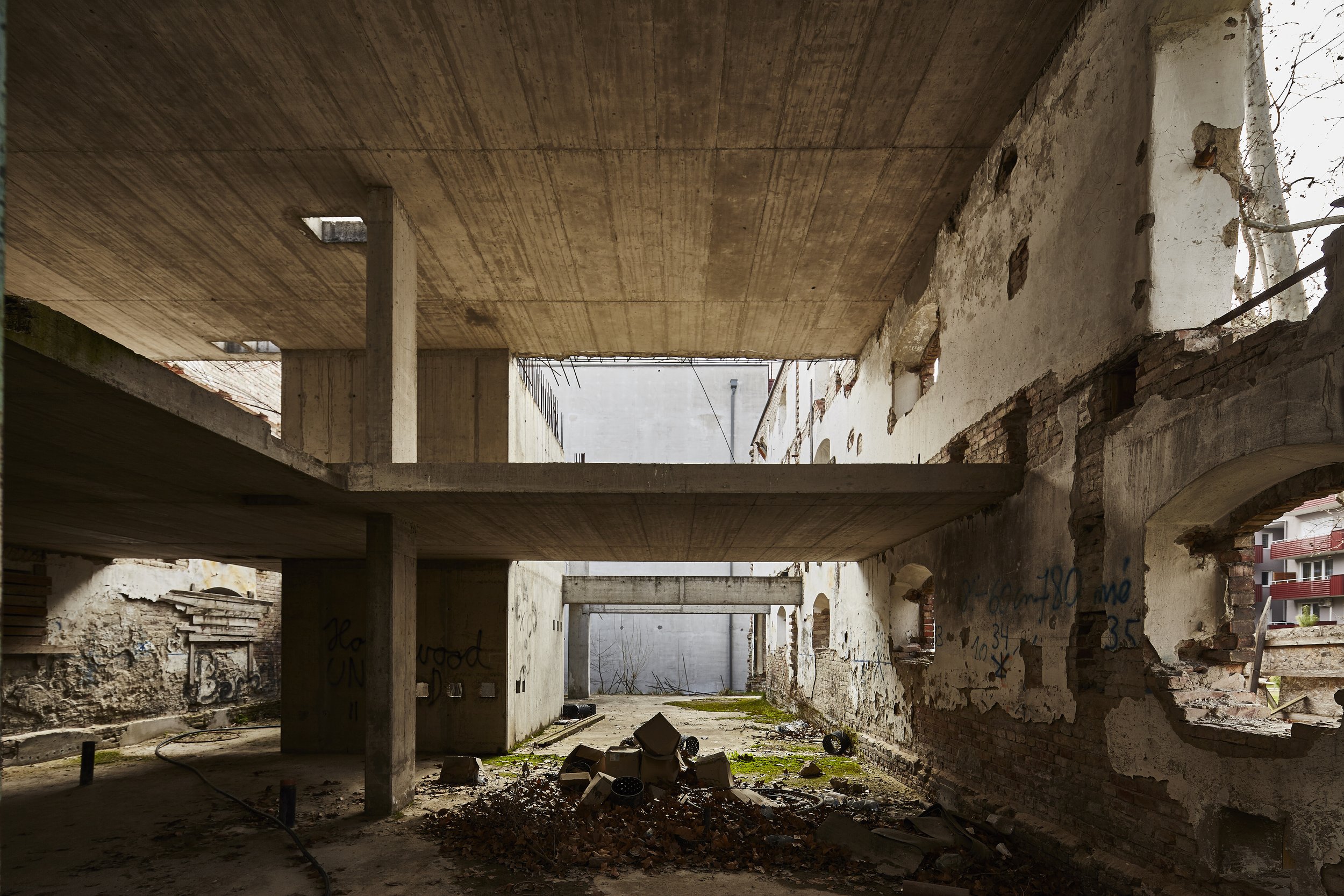
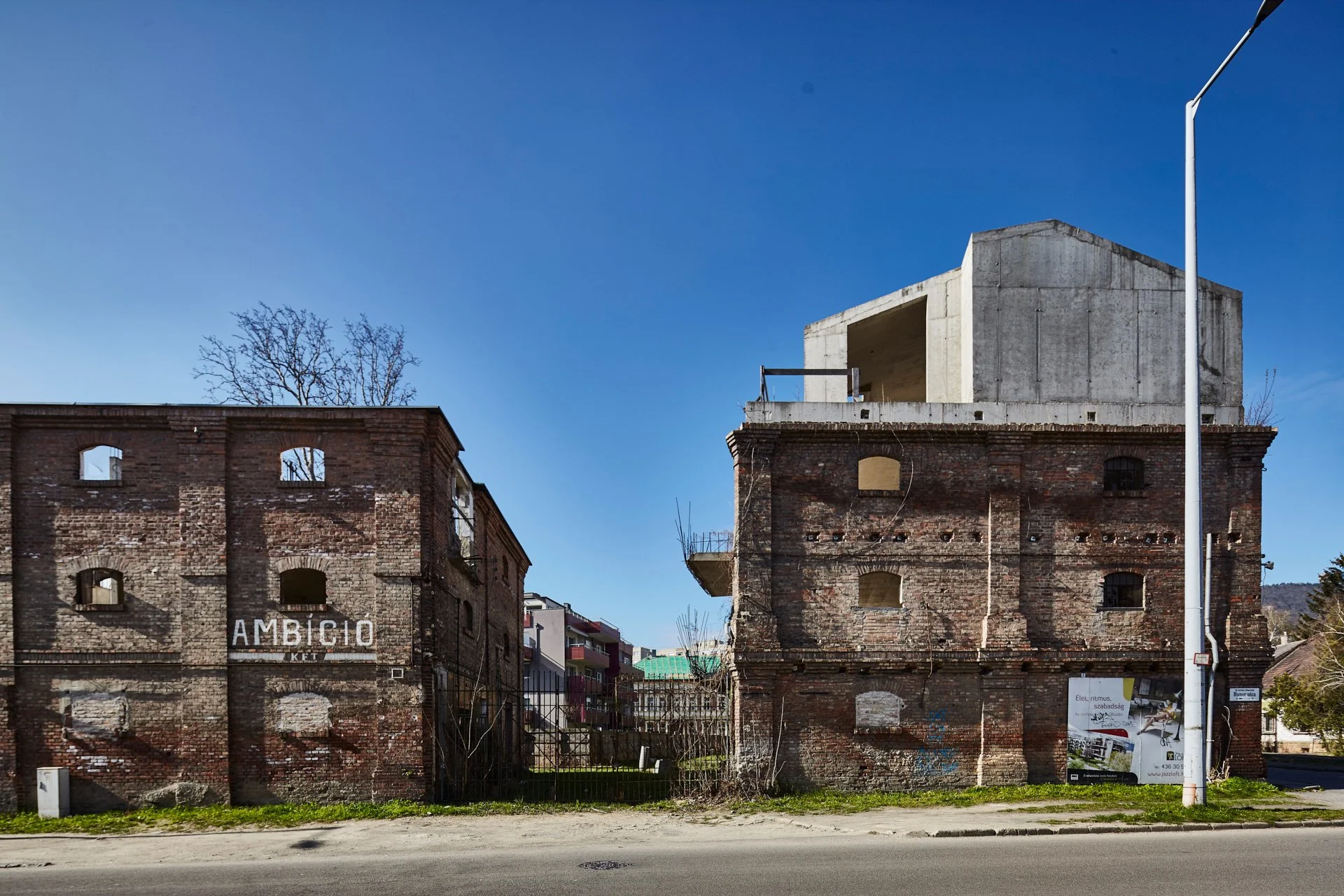
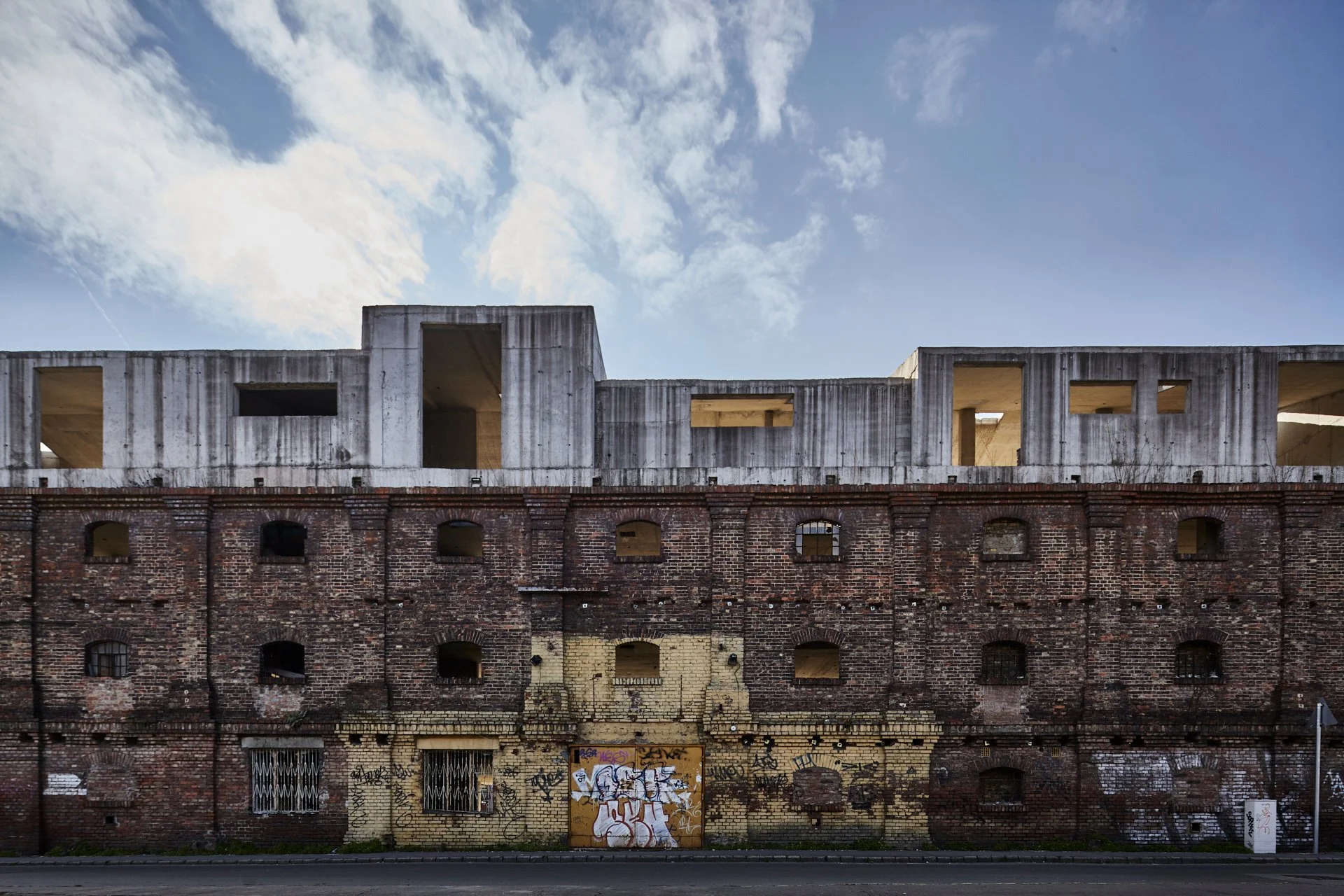
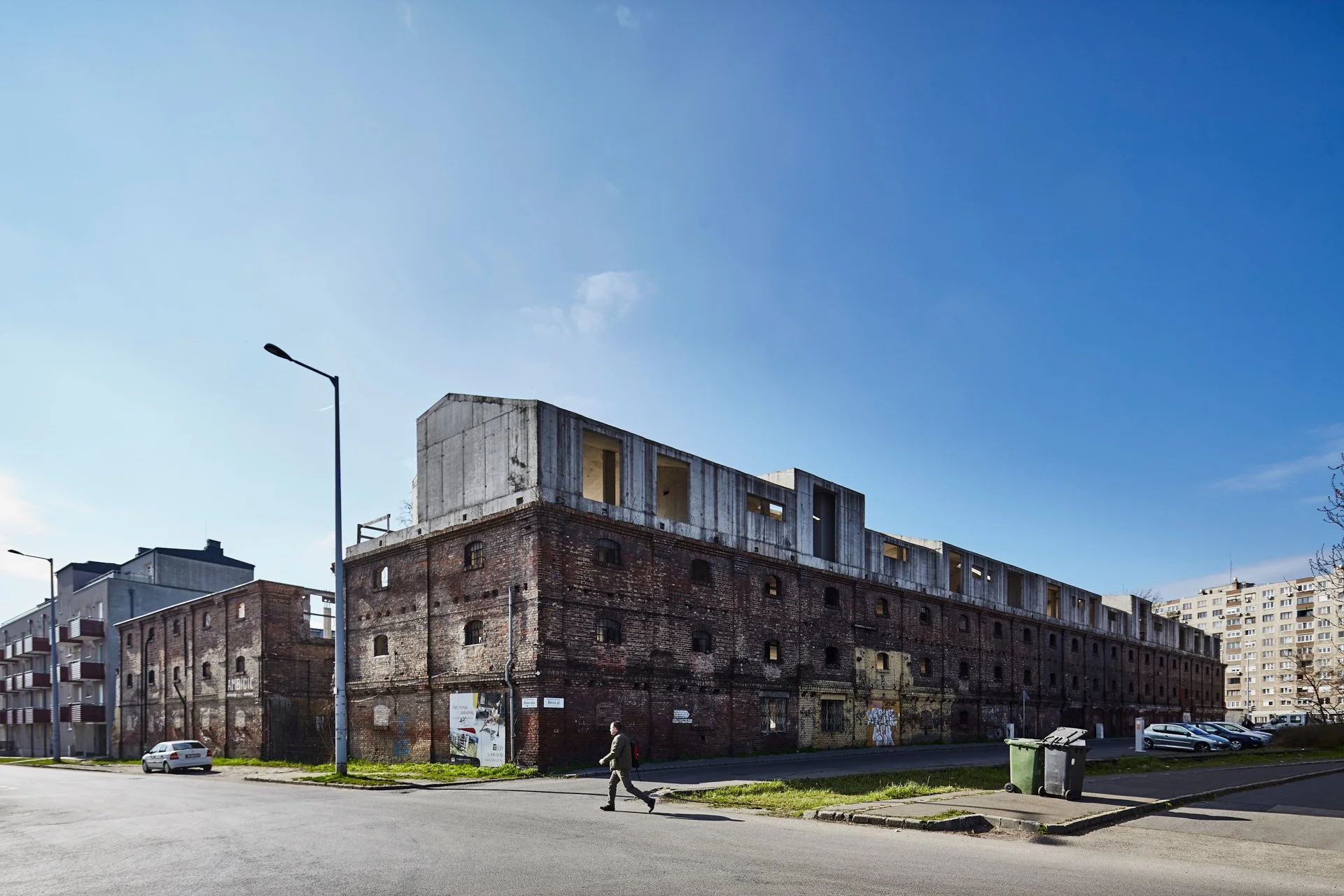
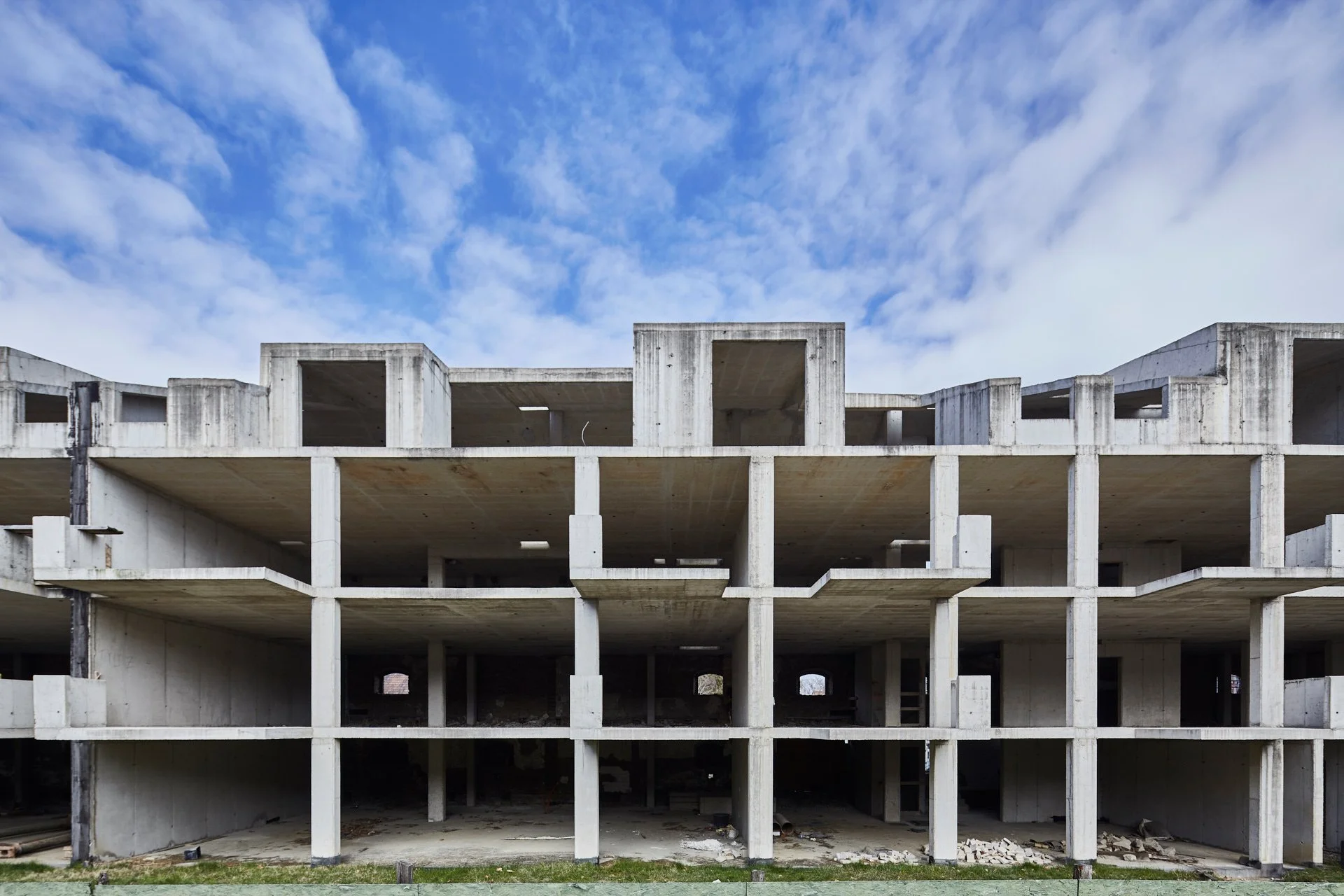
After the project was interrupted by the financial crisis and left unfinished for several years, its revival with a new client offered a renewed perspective. Rather than removing traces of the past, the architects embraced the existing concrete addition, allowing it to inform a more restrained and honest design approach.
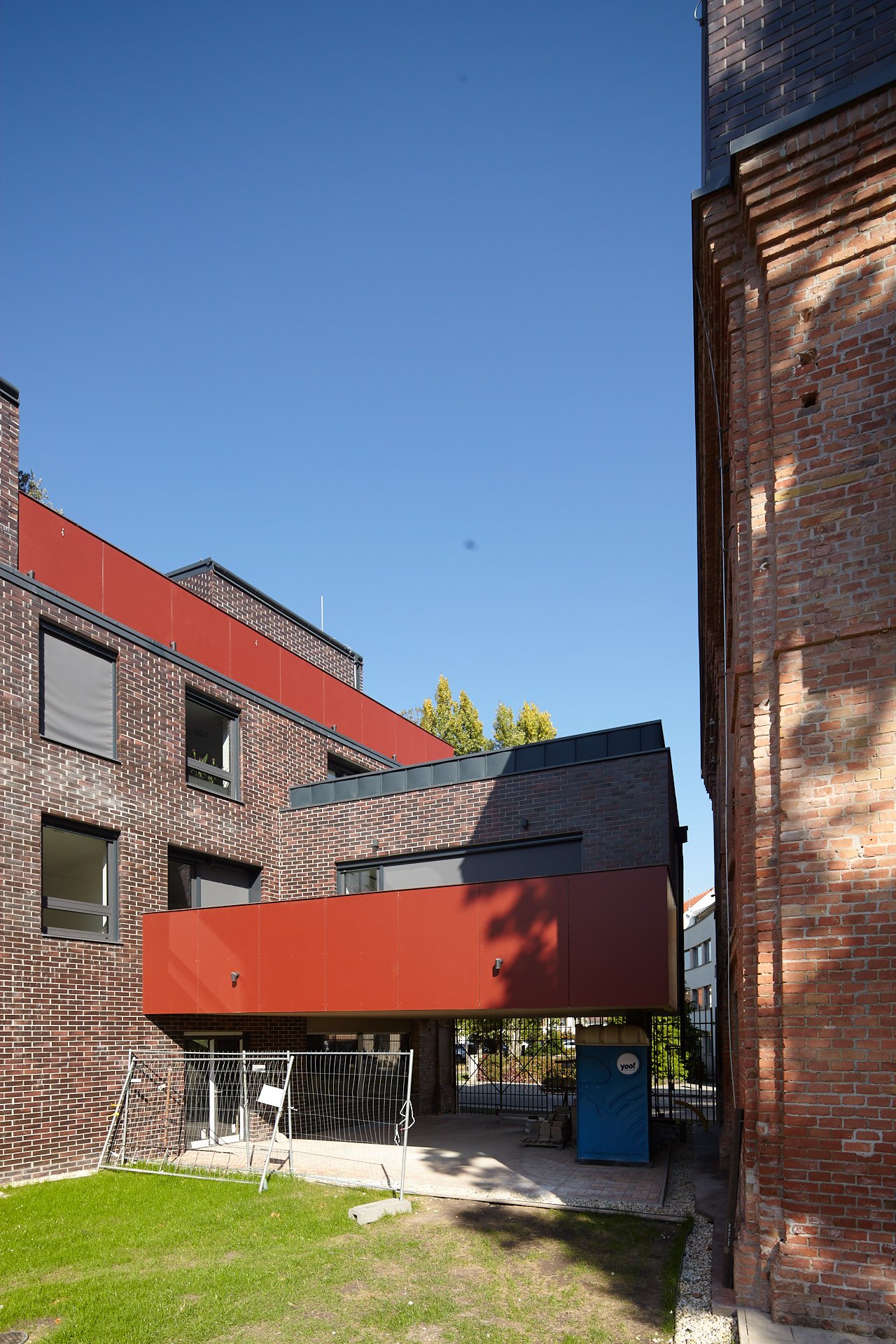
The completed building combines layers of different eras: the original brick structure is complemented by a contemporary top floor defined by an asymmetrical roofline, clinker brick, and large glazed openings. The contrast reinforces the building’s industrial identity while giving it a distinctly modern expression.
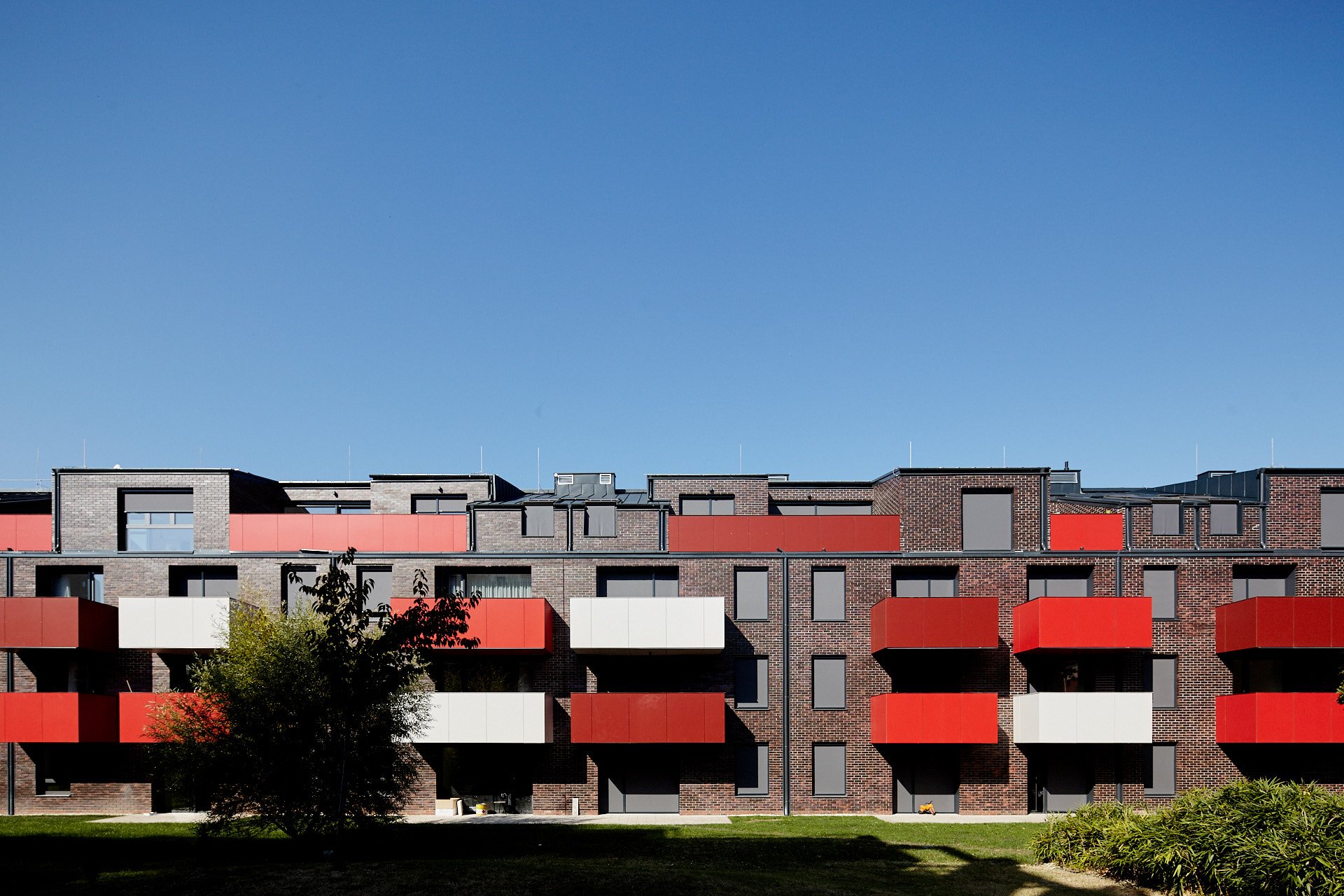
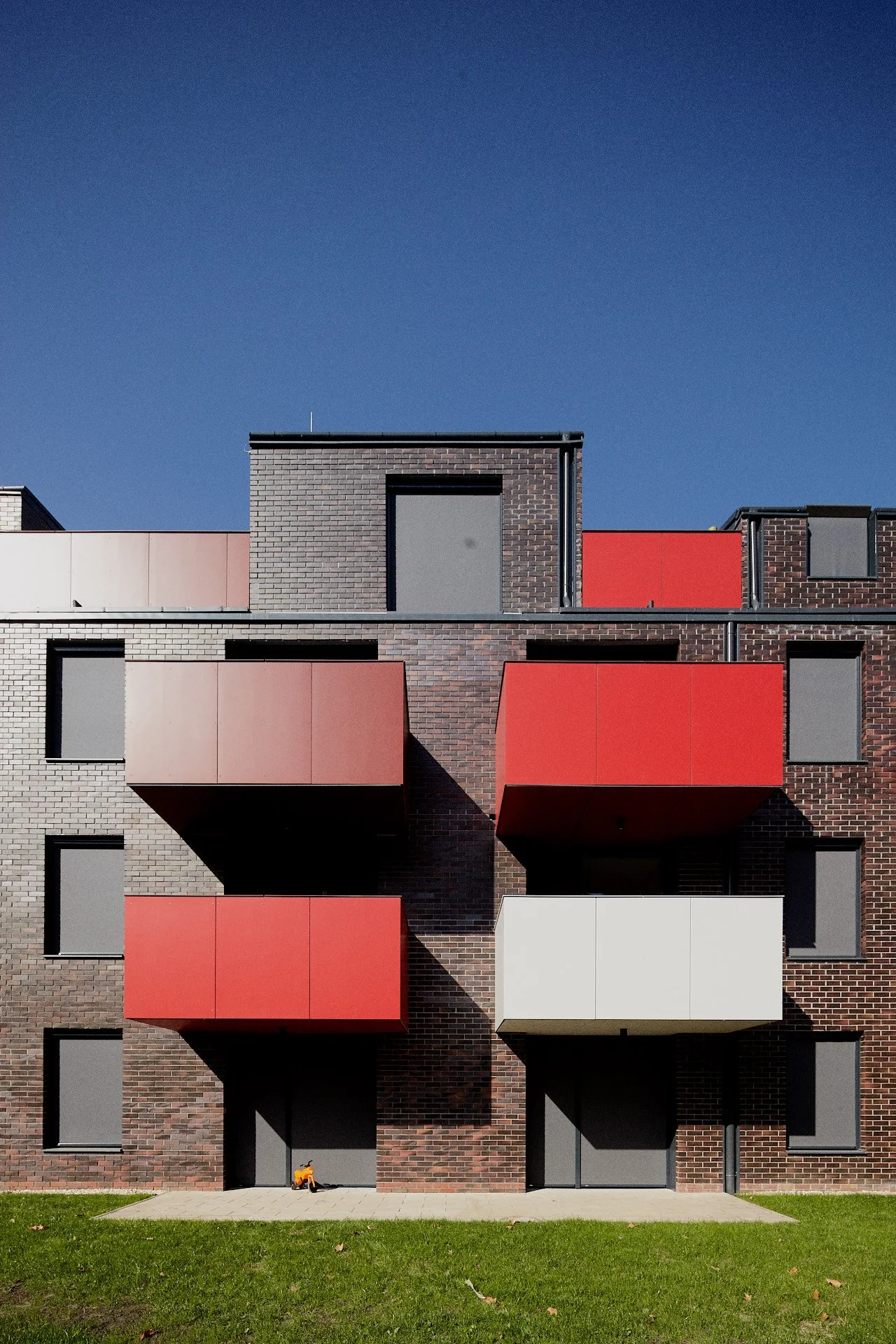
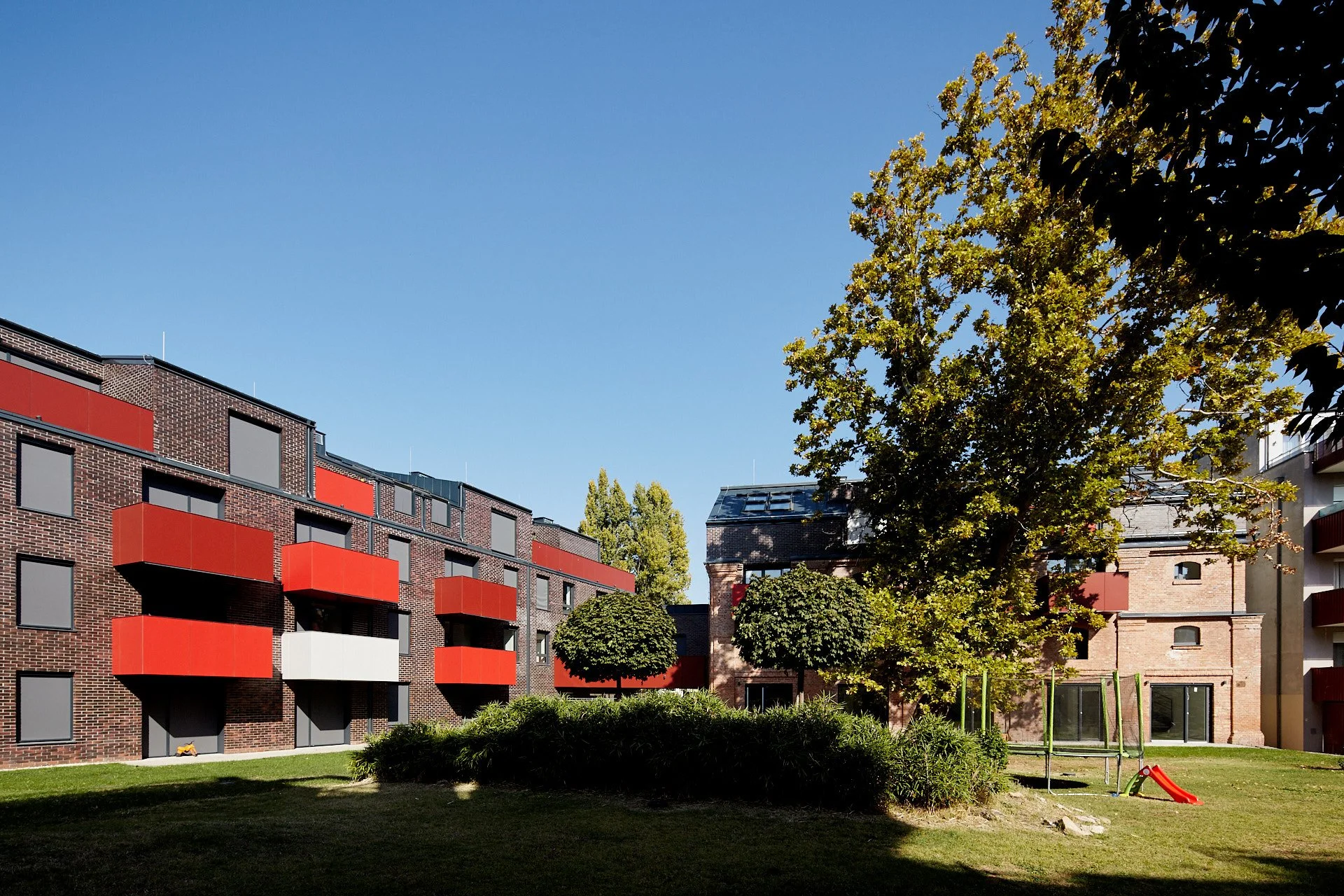
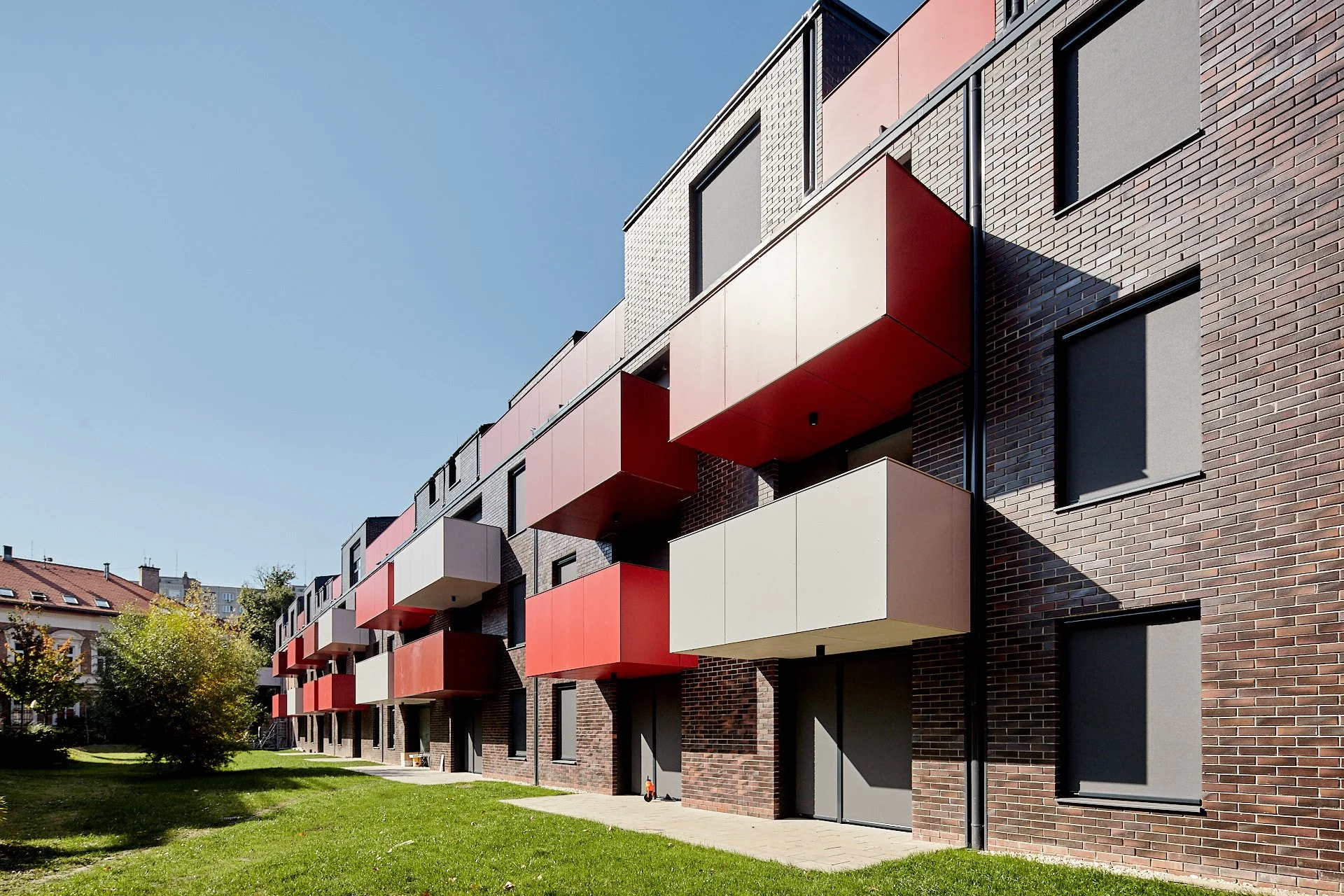
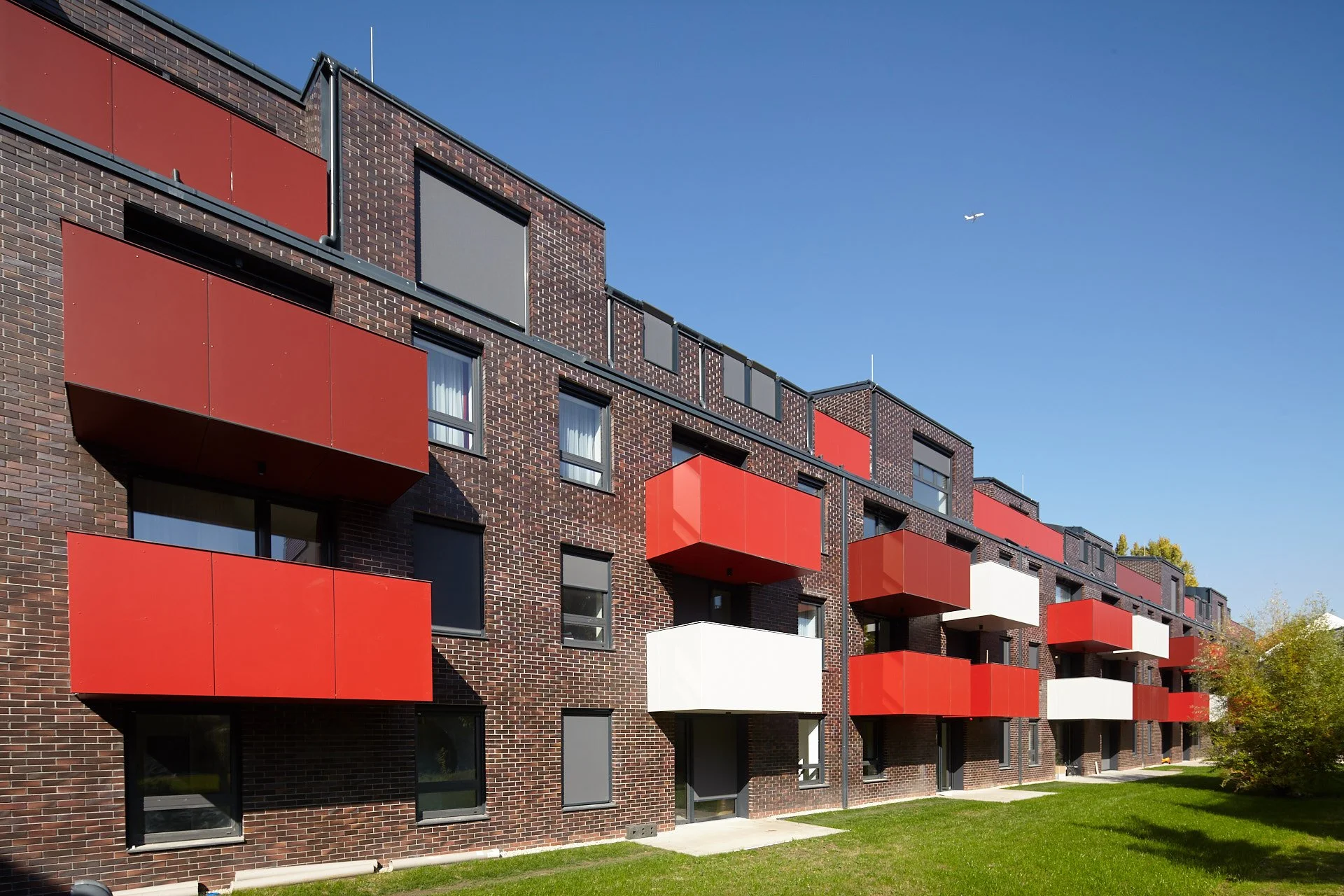
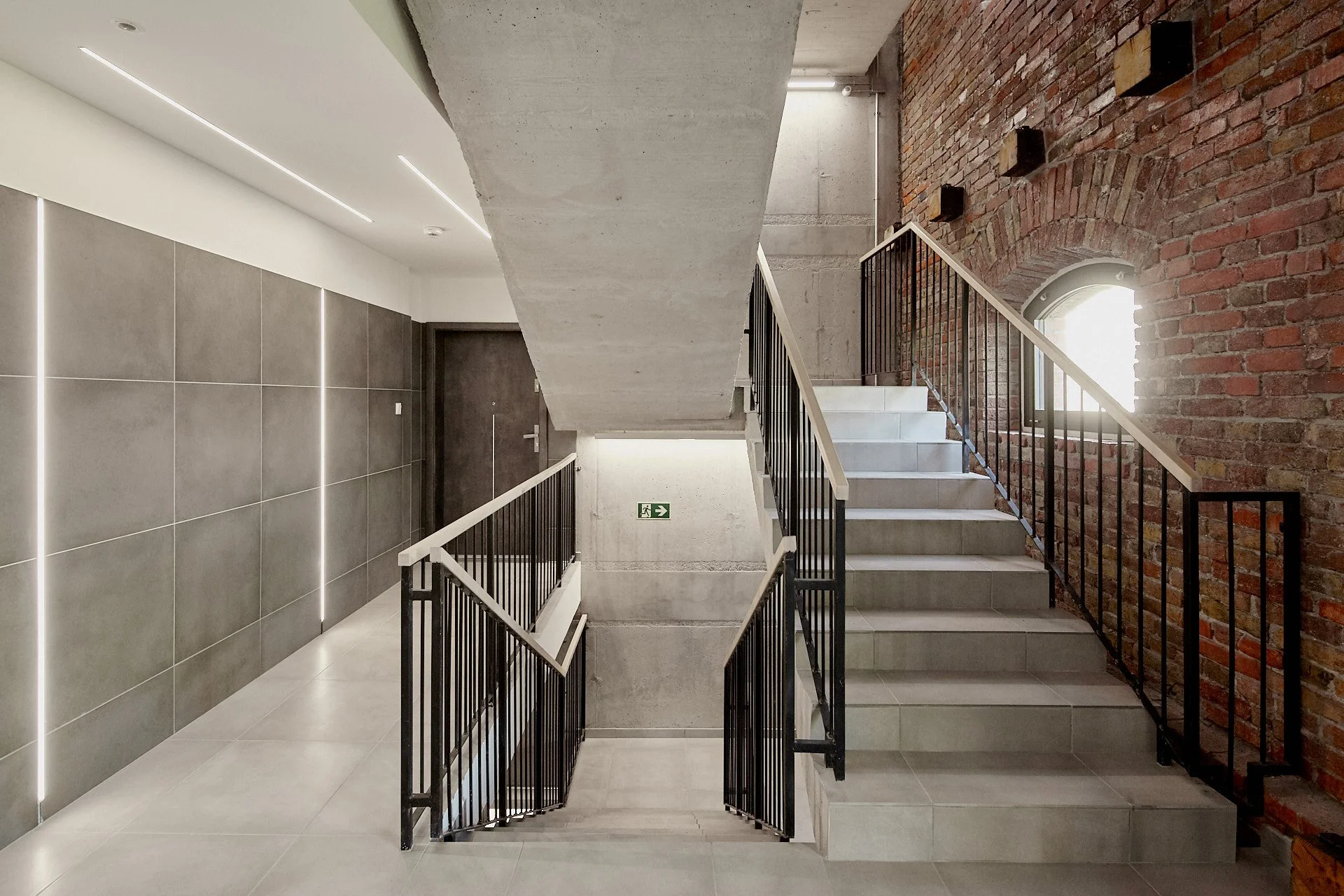
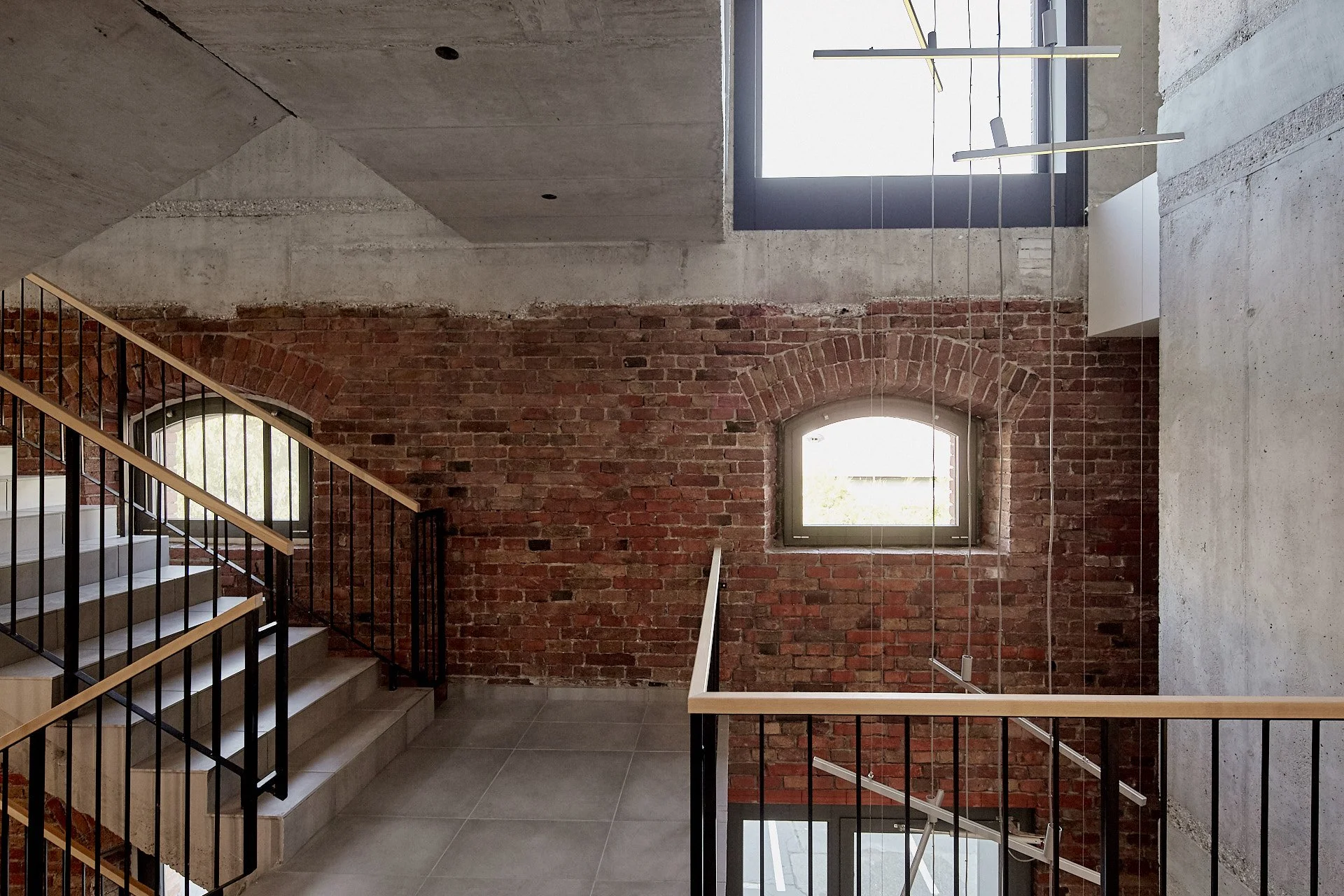
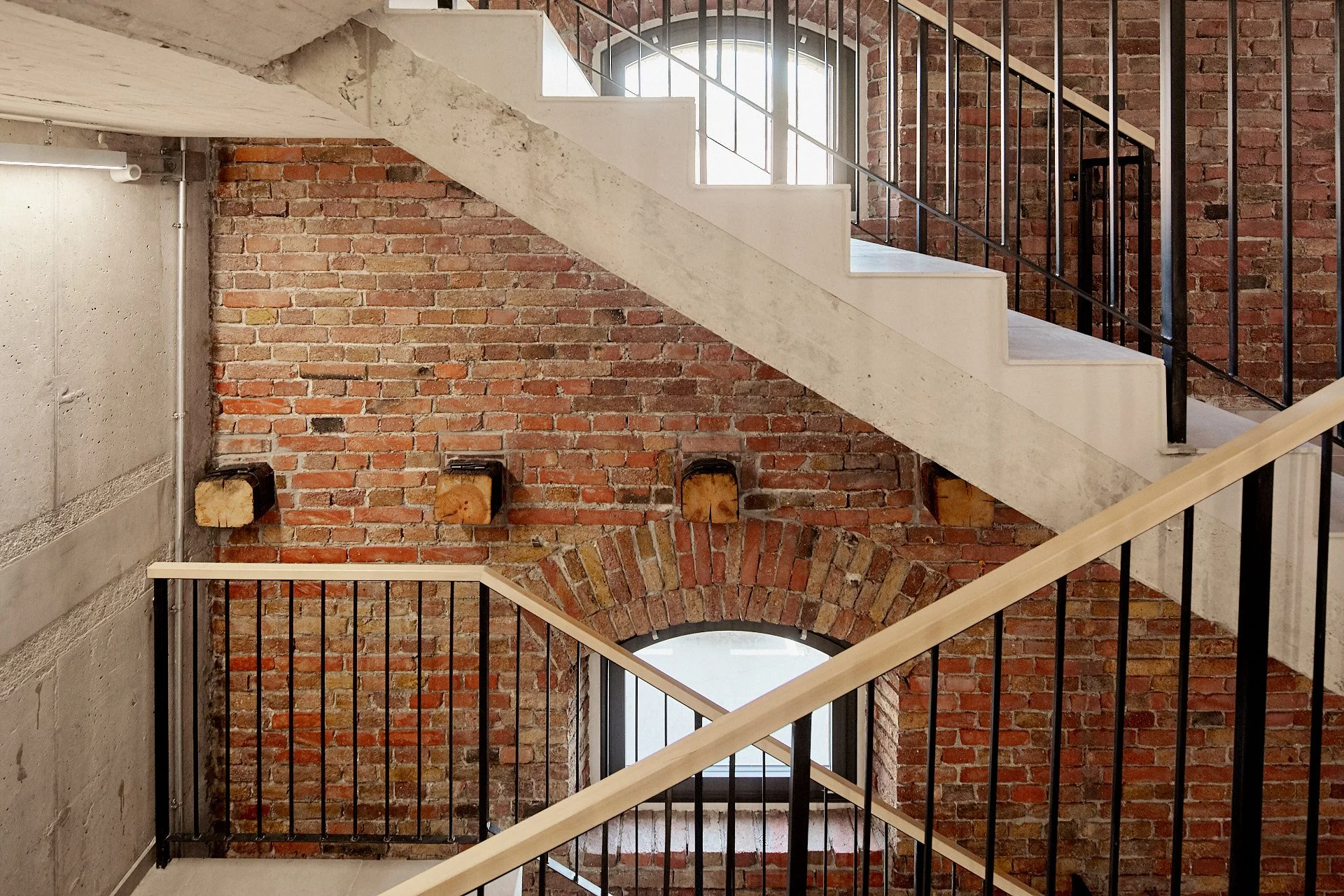
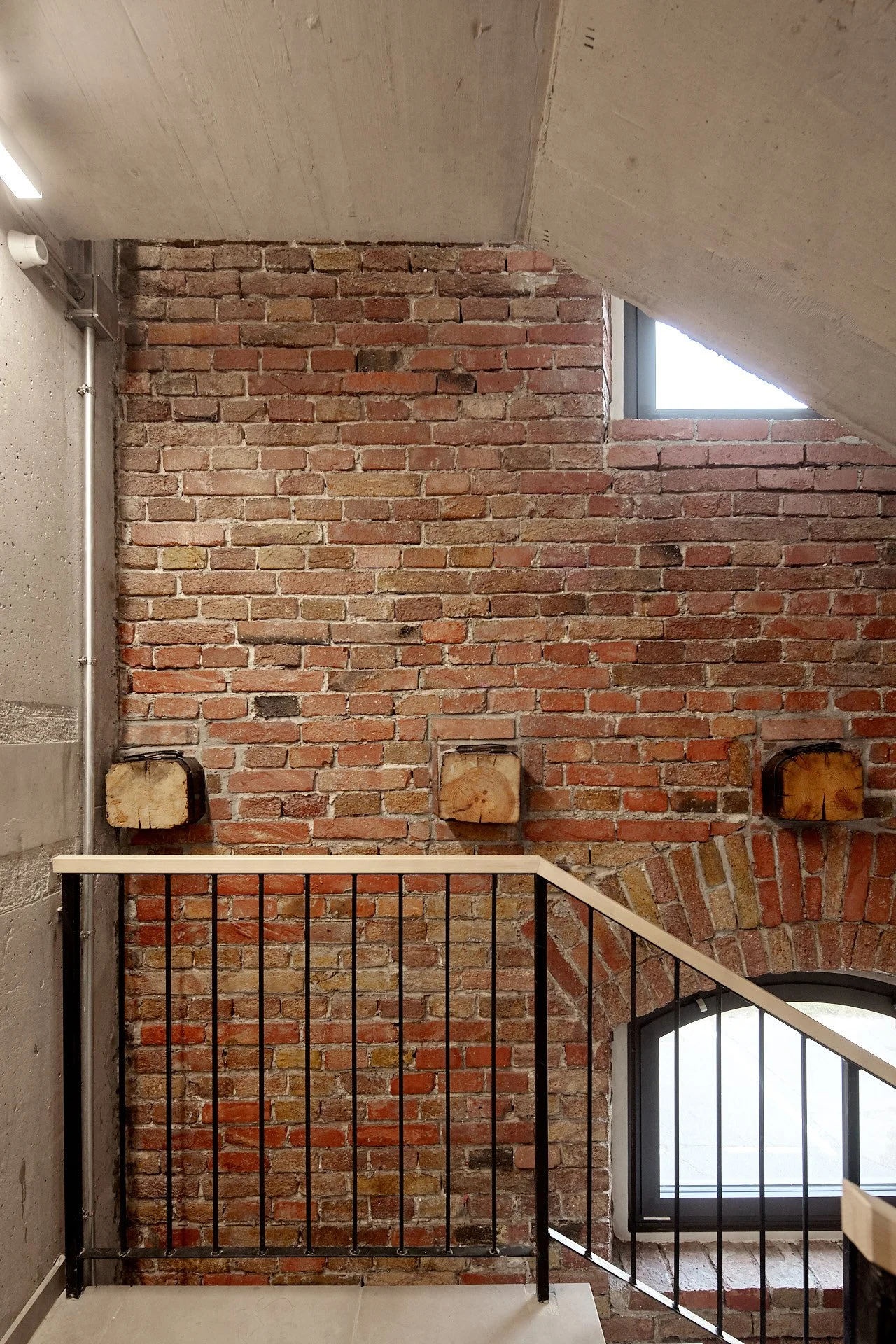
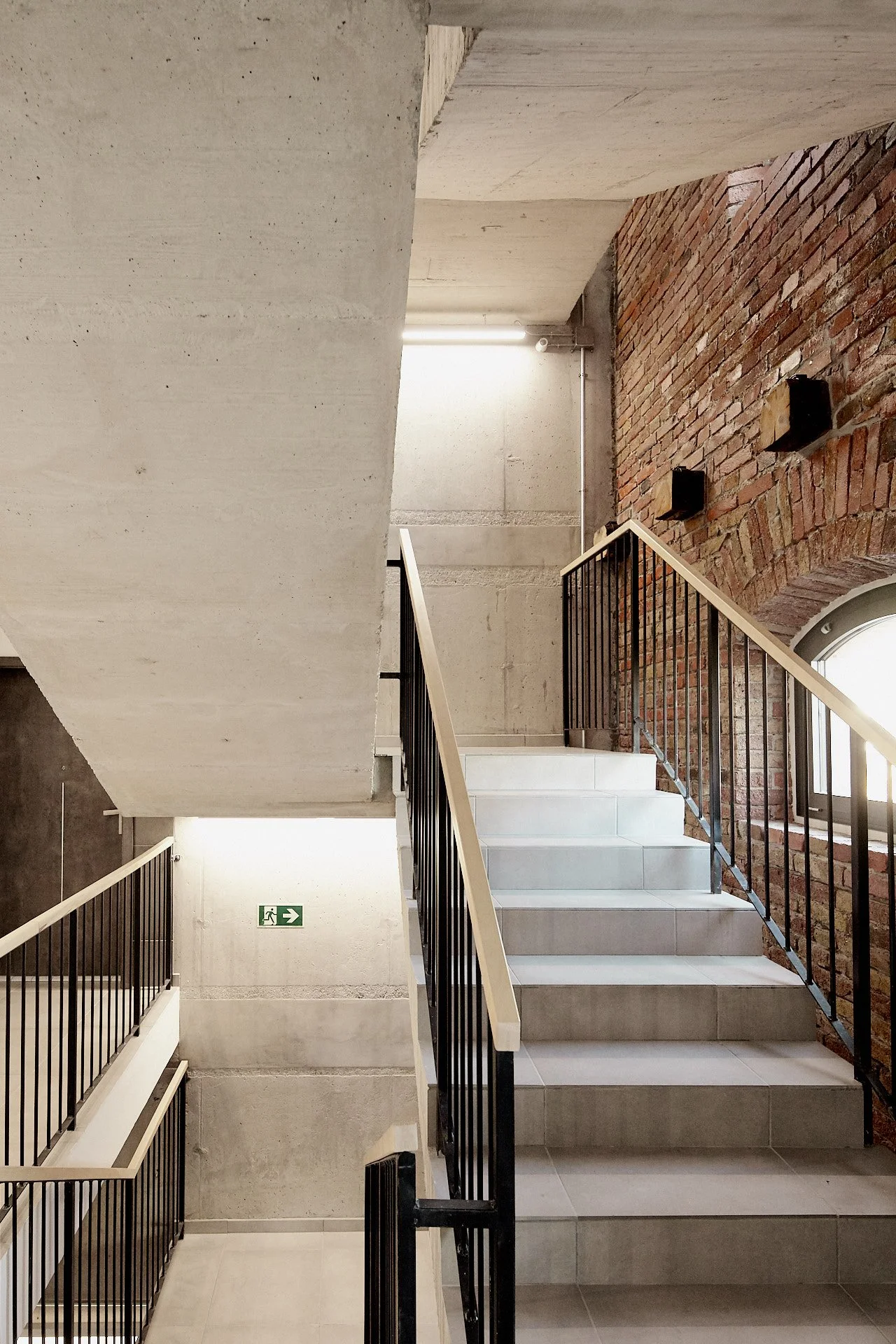
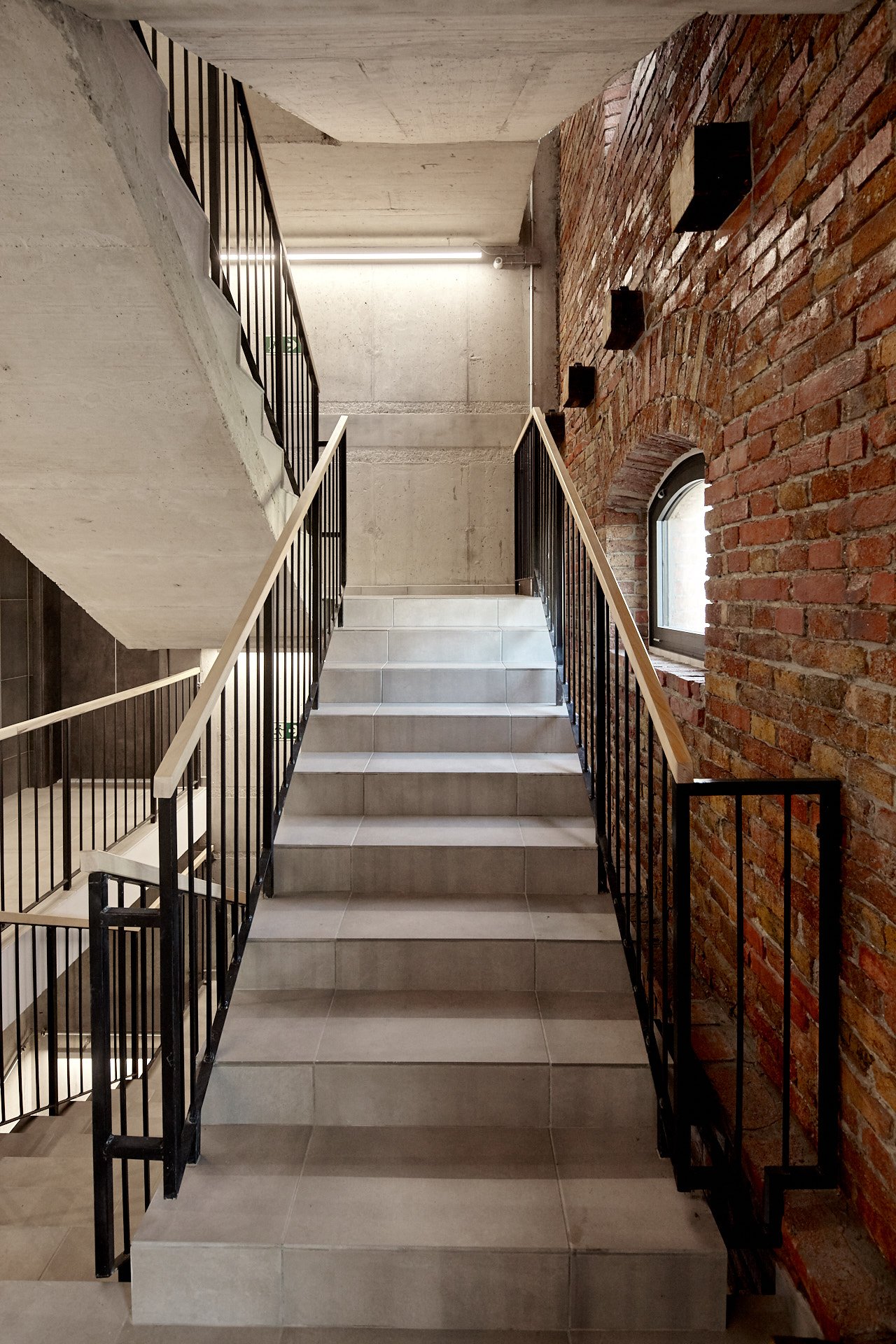
While the street façades maintain a calm, robust presence, the inner façades open toward a shared garden and adopt a more playful character through brightly colored balconies. Inside, exposed brick and raw concrete define the staircases, each named after a jazz musician — a reference that gives the project its name.
Conceived as a contemporary, sustainable residential building, Jazz Loft integrates smart technologies and a renewable-energy-based heat pump system, ensuring a high level of comfort while respecting the building’s historic fabric.
Function: housing
Typology: reuse, monumental
Year of completion: 2018
Area: 6250 m²
Developer: Merkapt Ltd.
Architects: Gábor Turányi and Bence Turányi
Project architects: Levente Skultéti - I. phase; Gábor Balla and Renáta Gyurcsó - II. phase
Collaborators: Péter Márk, Marcell Lévai, Éva Pinczés, Dénes Regőczi - I. phase; Bálint Laczkó-Pető, Dénes Regőczi, Fruzsina Újfalussy, Tamás Fülöp, Péter Oravecz - II. phase
Interior architect: István Ölbey
Photographer: Zsolt Batár