Vass Shoes
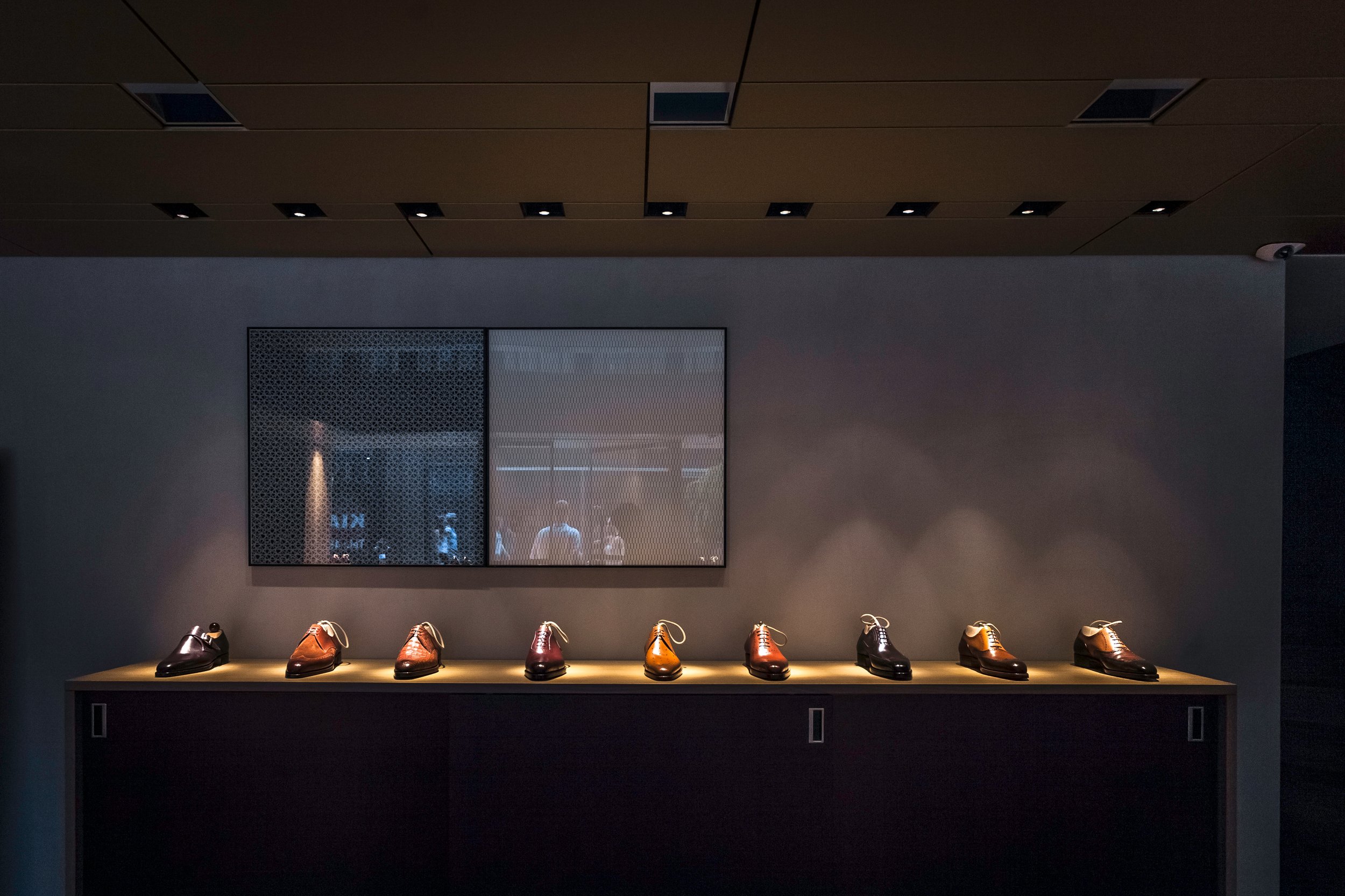
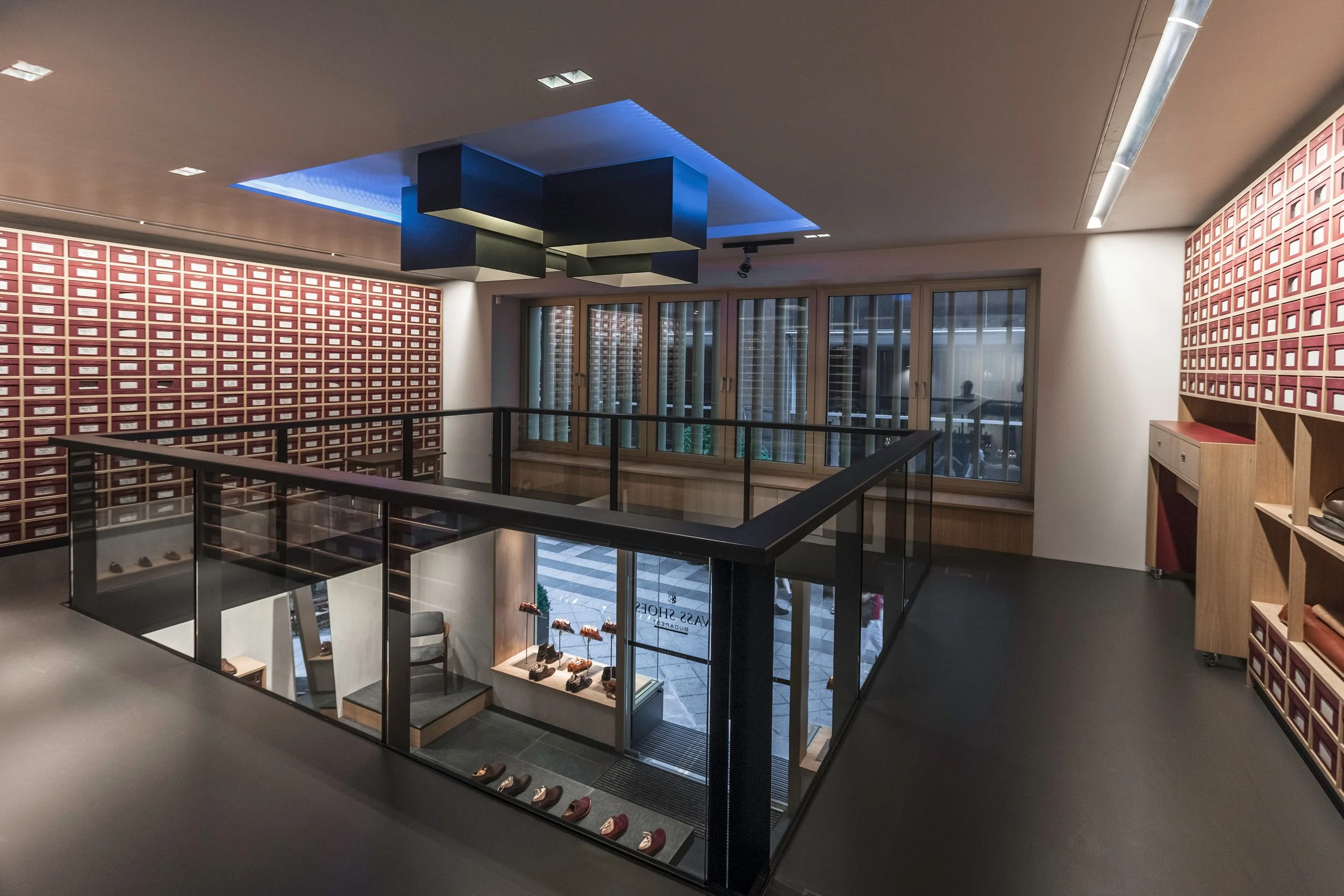
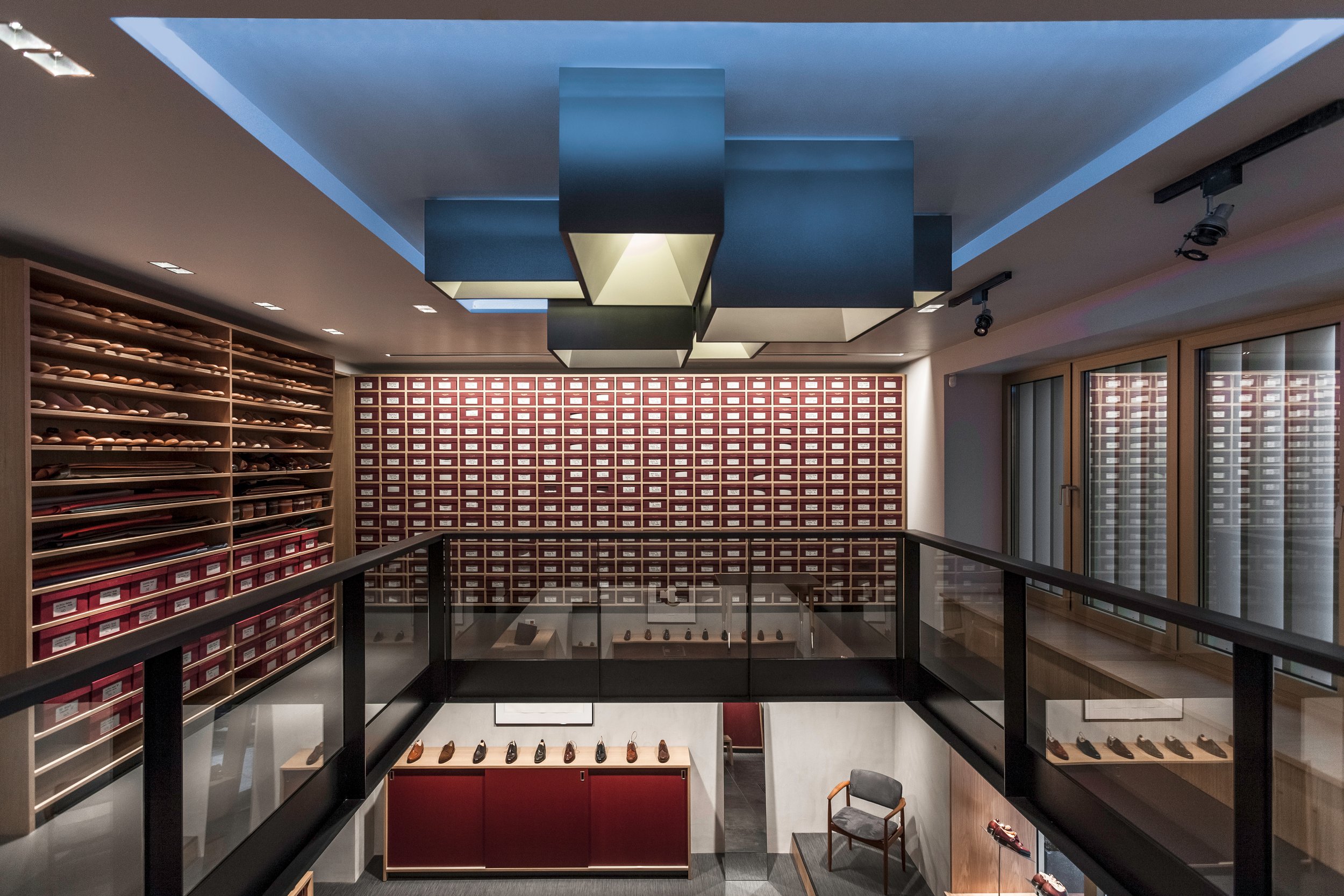
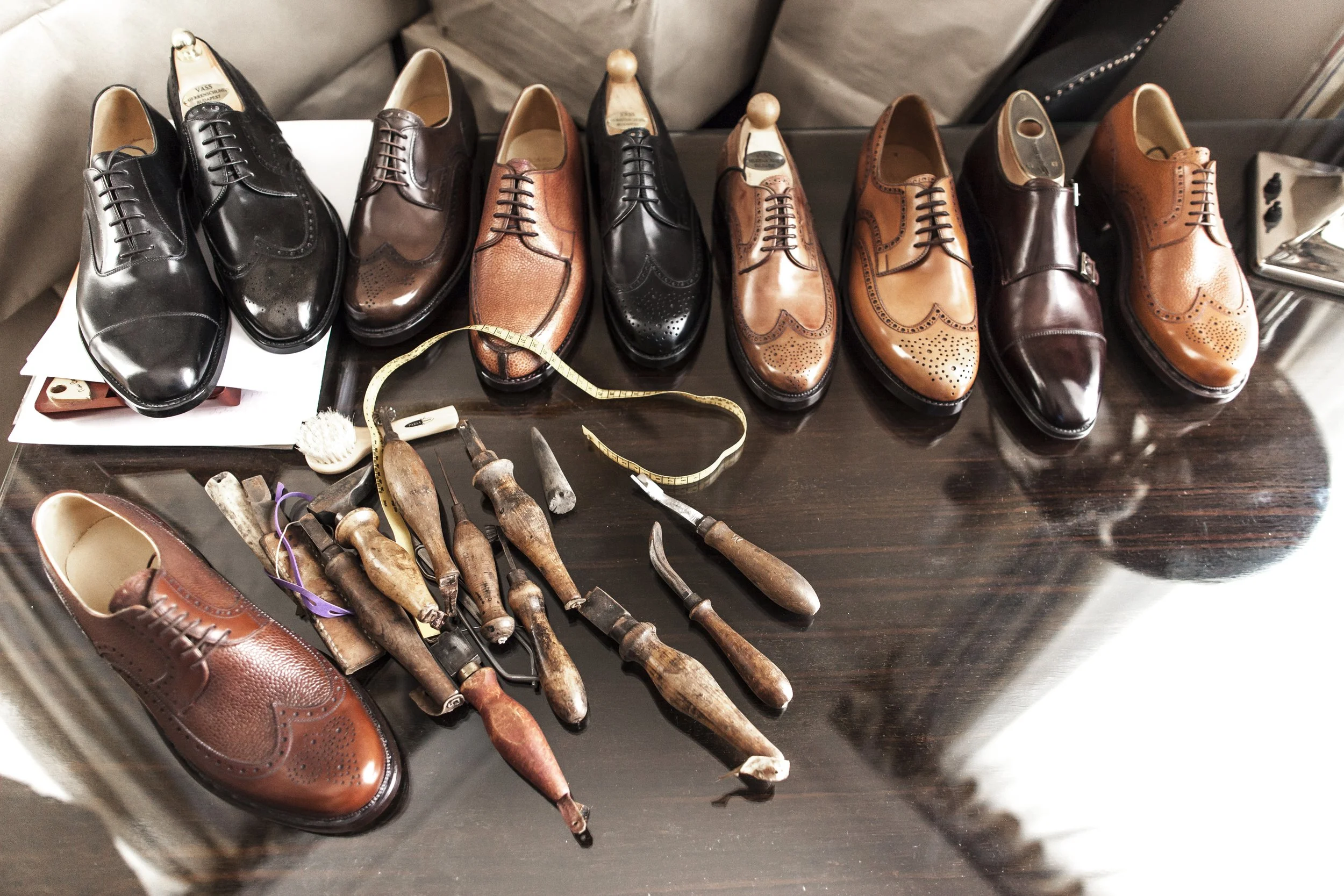
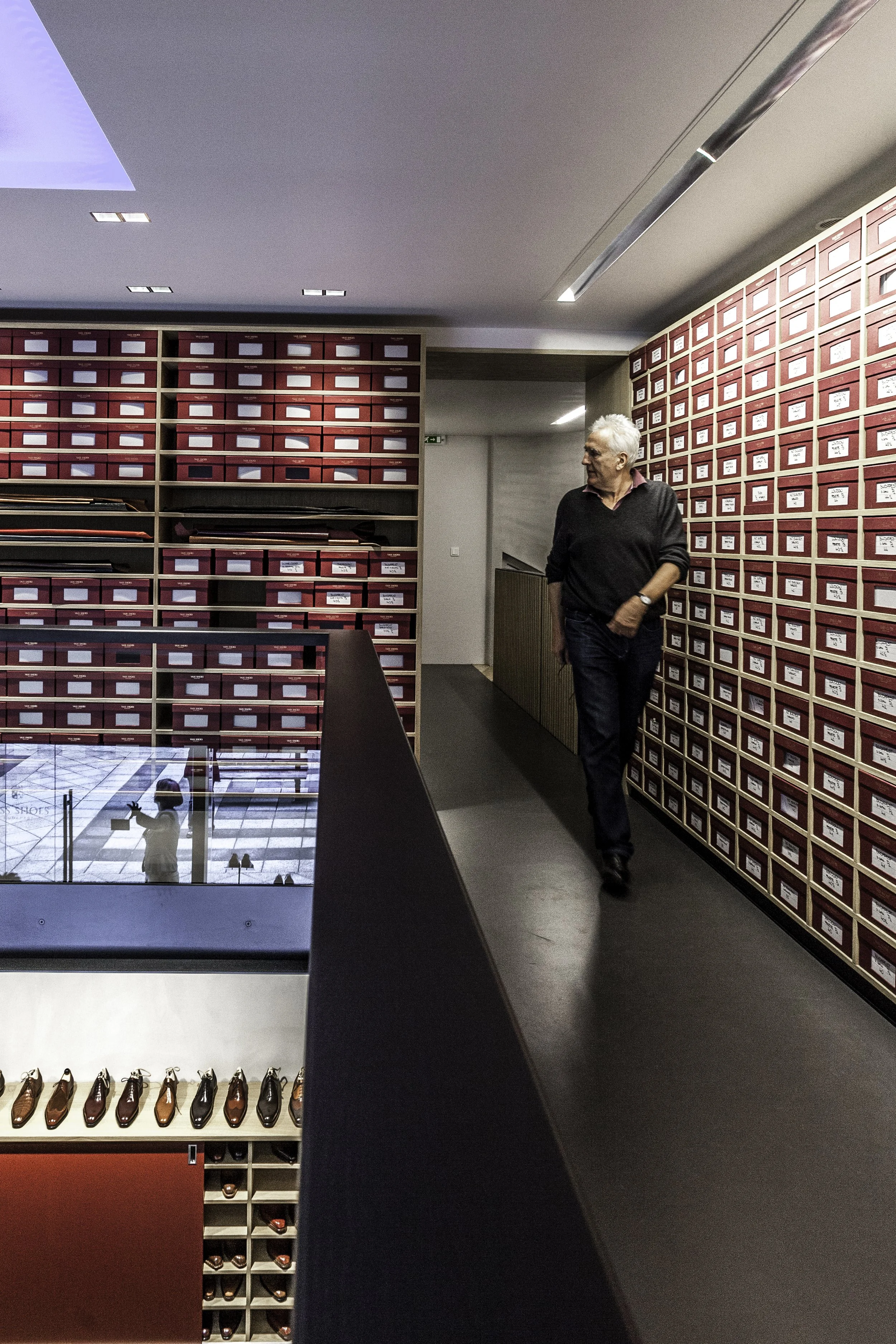
Only a handful of true craftsmen remain in Europe’s fashion landscape. László Vass is among them: a master shoemaker and art collector who, from the outset of his career, set himself a clear ambition—to revive the once internationally celebrated tradition of Budapest’s handmade shoemaking, known as the “Budapest style.” Today, Vass Shoes is recognized worldwide, from Japan to Singapore. The workshop employs twenty artisans, and its downtown Budapest boutique has become a destination in its own right—both a point of sale and a carefully staged encounter with craft.
For László Vass, founder of Vass Shoes, shoemaking is not merely production but a form of cultural authorship. His models—Oxford, Alt Wien, Norweger, London—are made entirely by hand, and the “Budapest” model itself is among the very few original, internationally acknowledged shoe types still produced today. Yet his practice has never existed in isolation: his long-standing engagement with contemporary Hungarian and international art has shaped the way he thinks about making, display, and value. Encounters with painters and sculptors led to the formation of the internationally known Vass Collection. In Vass’ view there is no boundary between contemporary art and a manufacture-based profession; each becomes a lens through which the other can be understood.
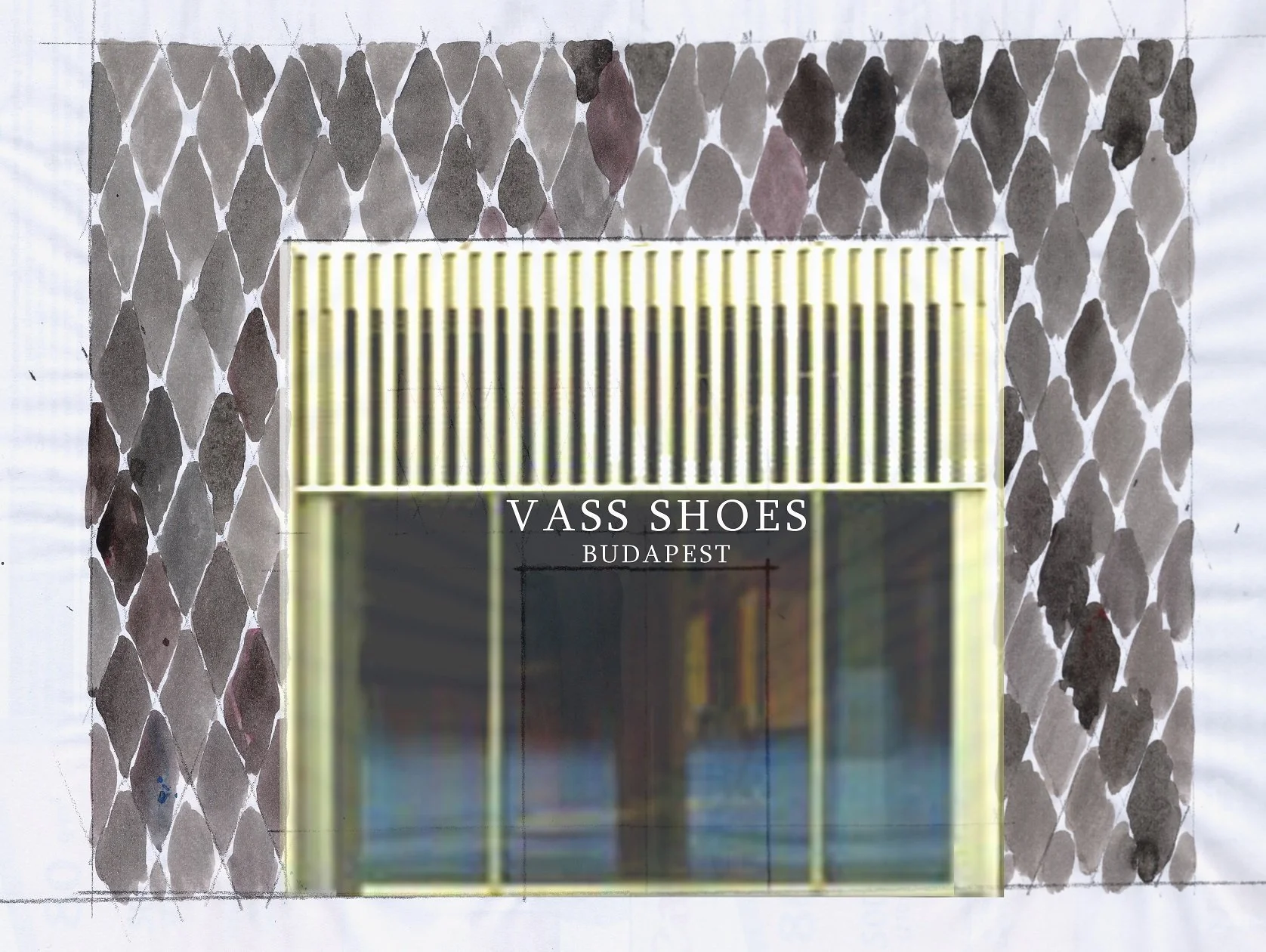
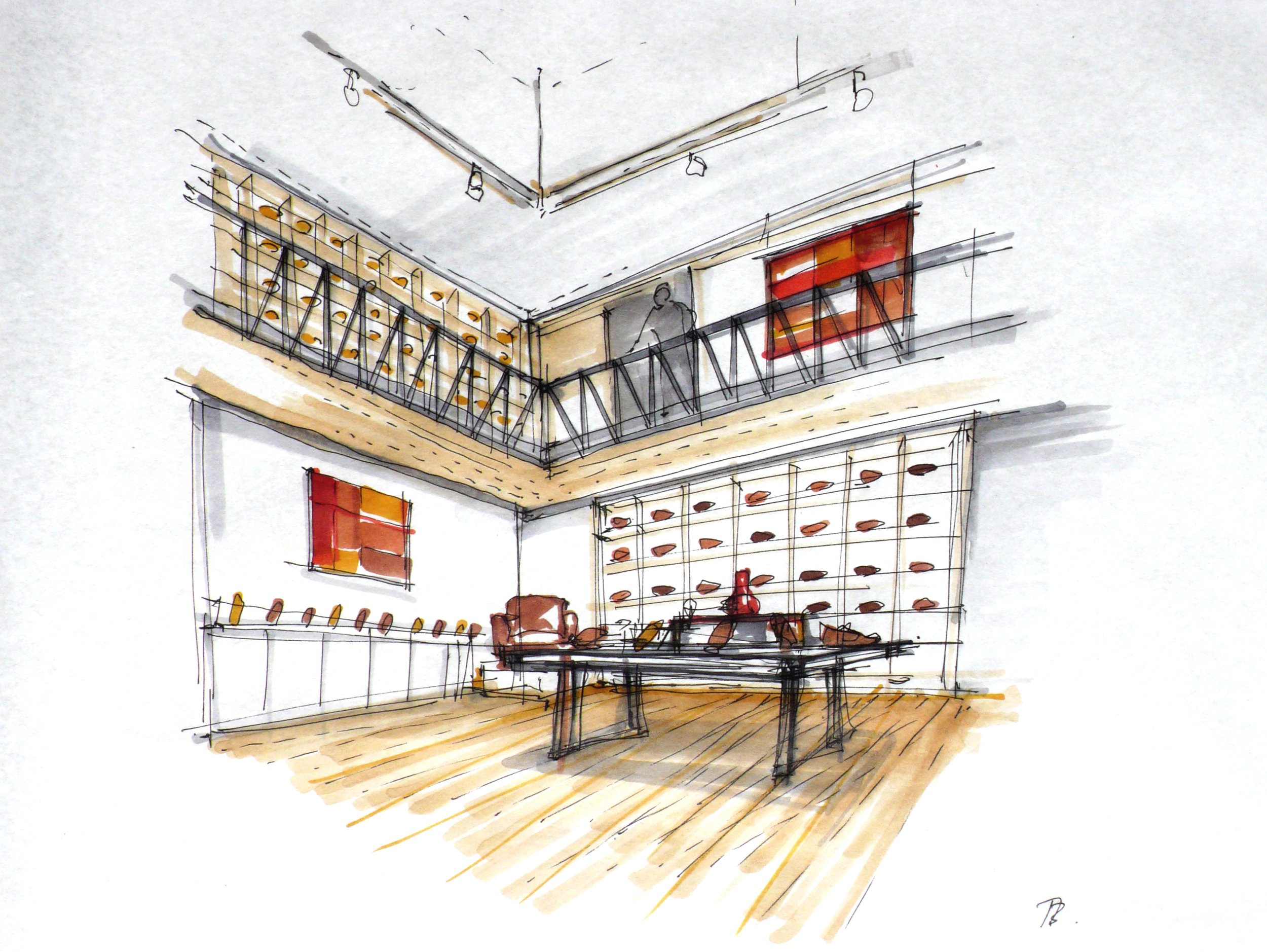
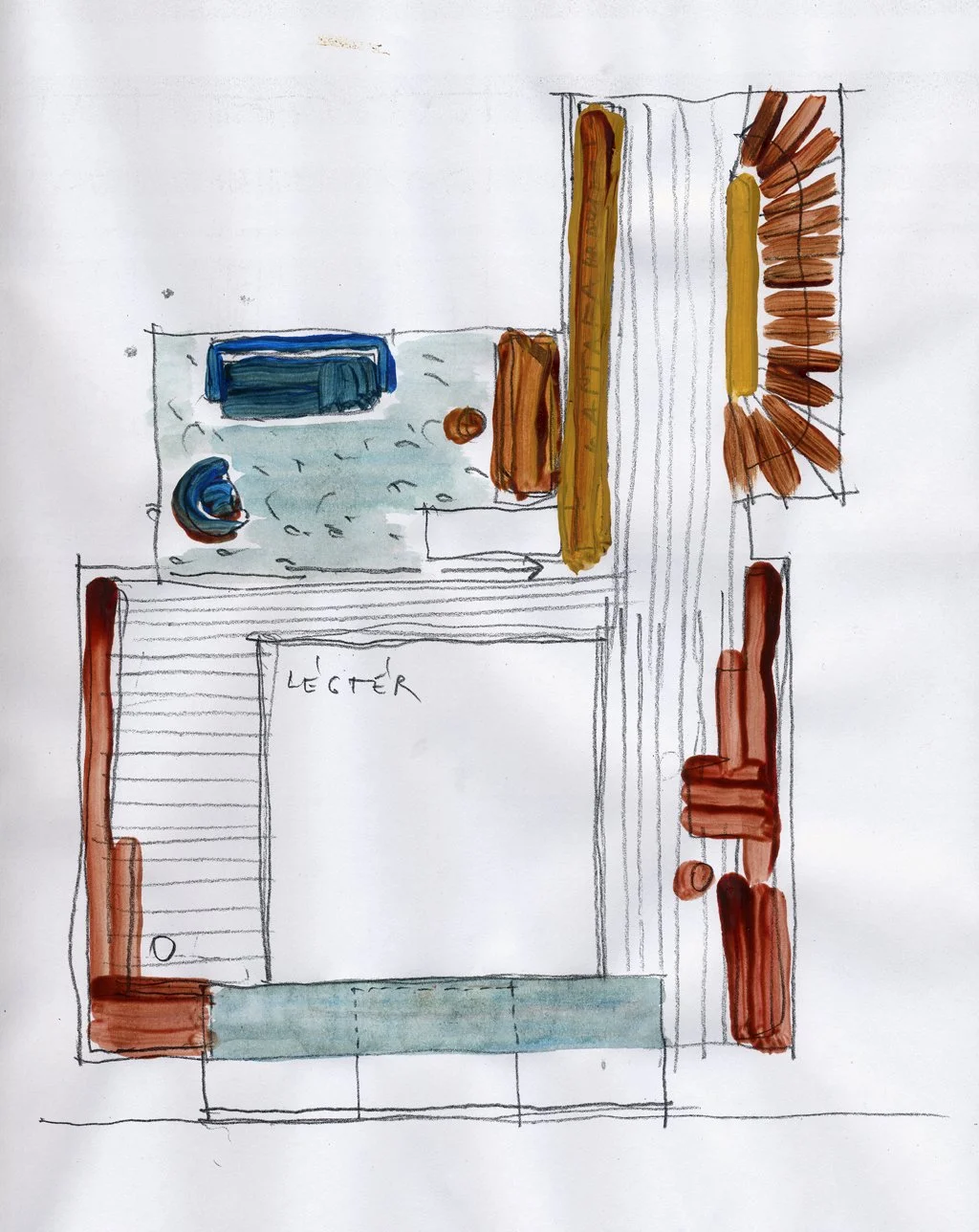
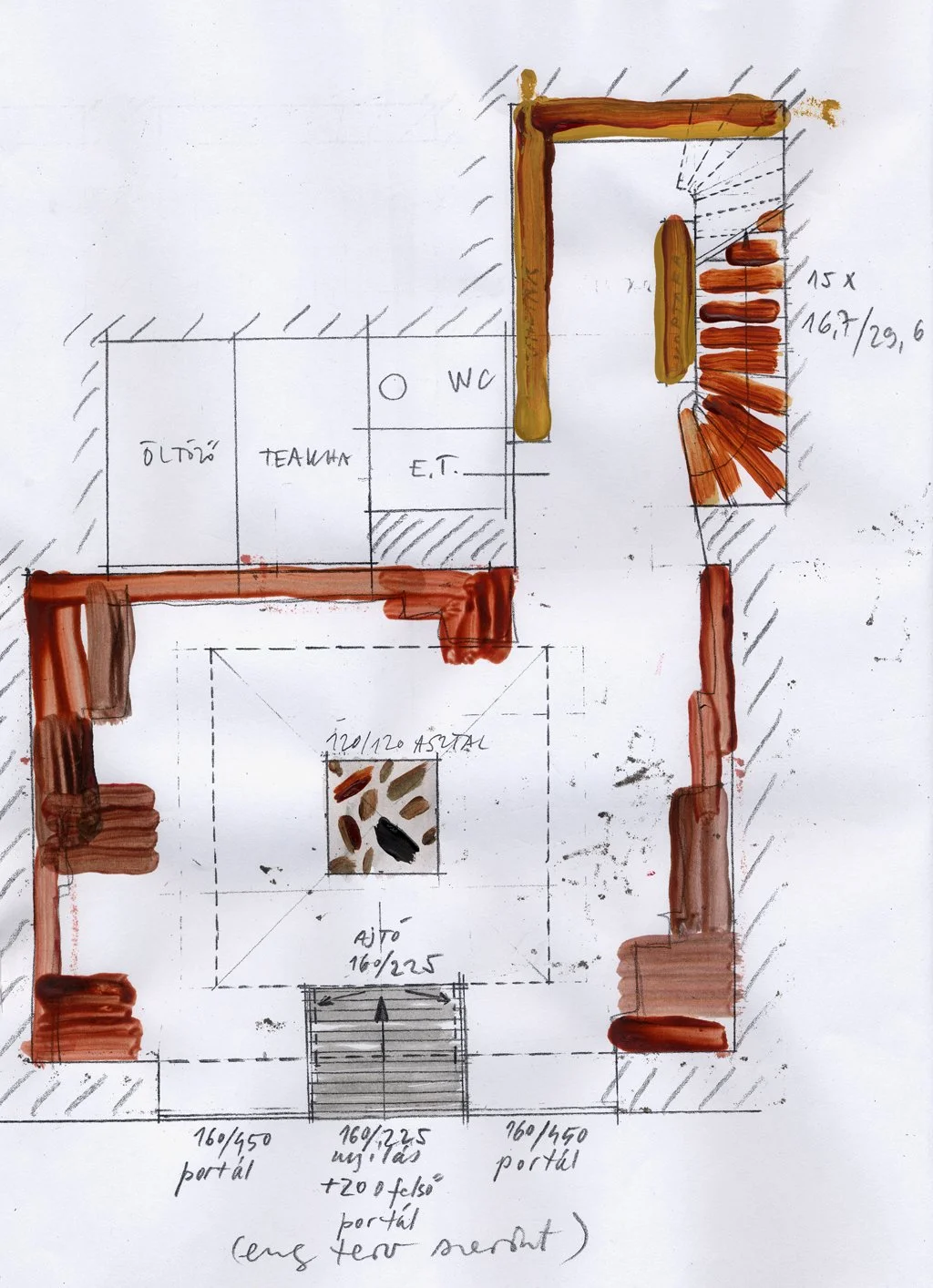
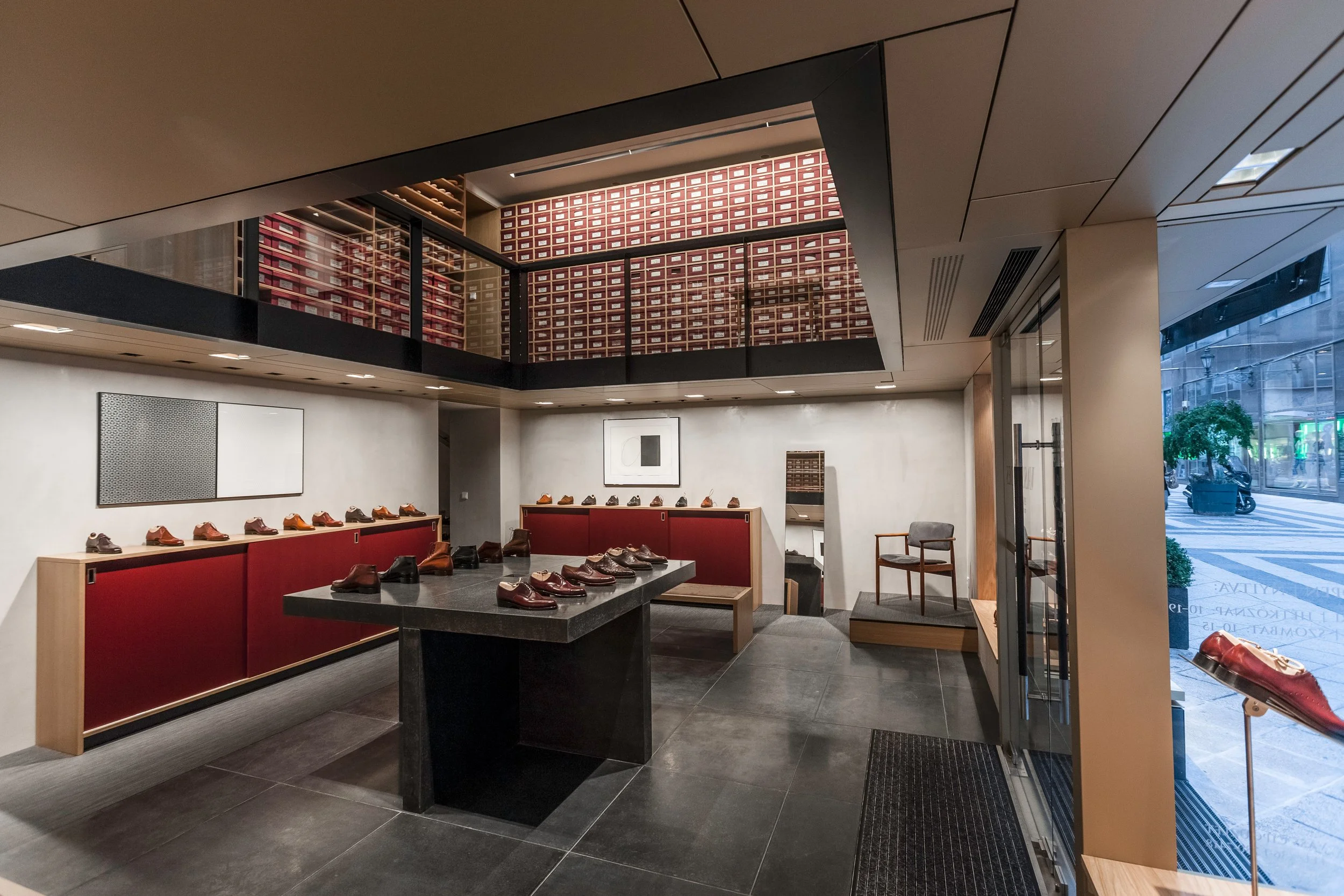
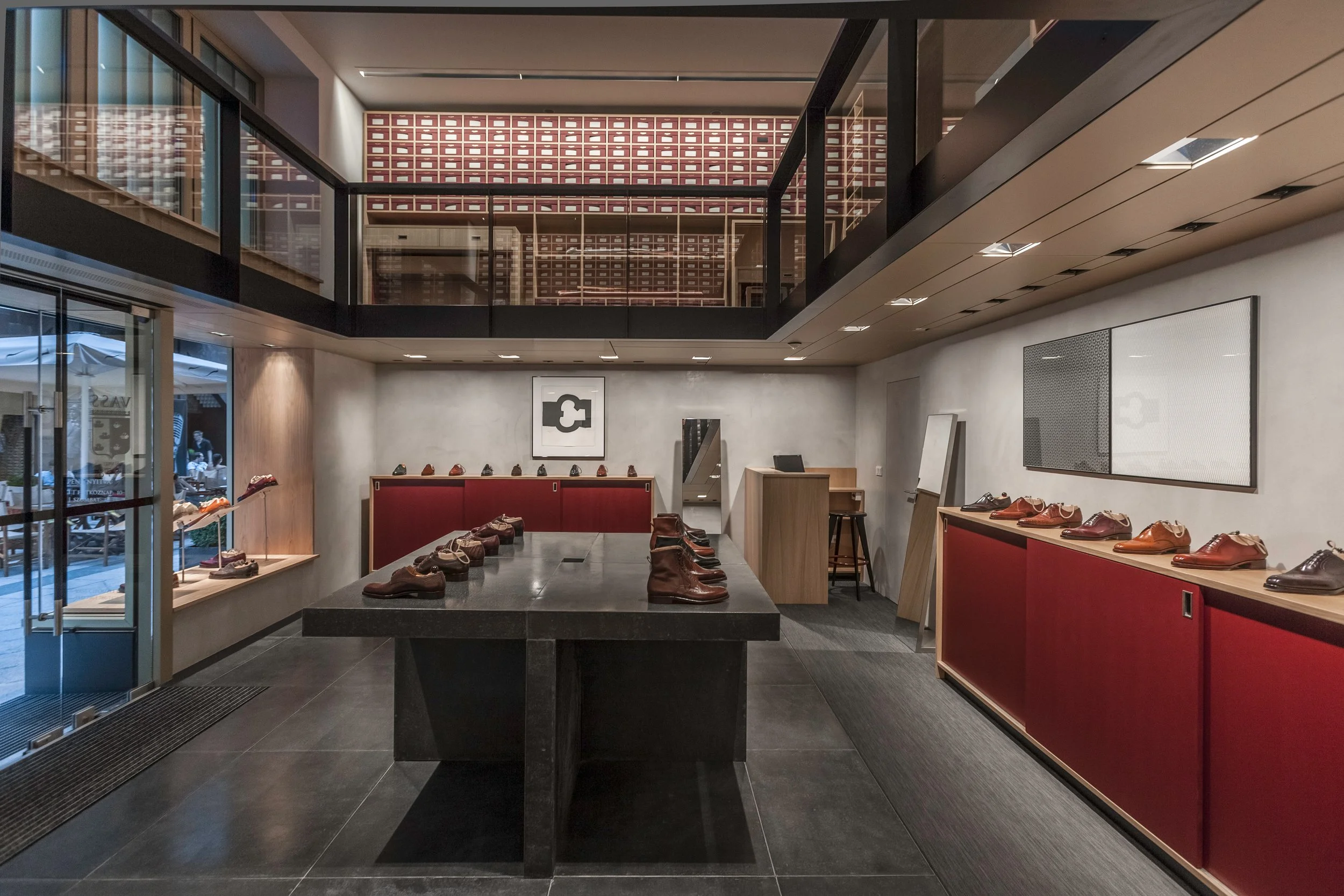
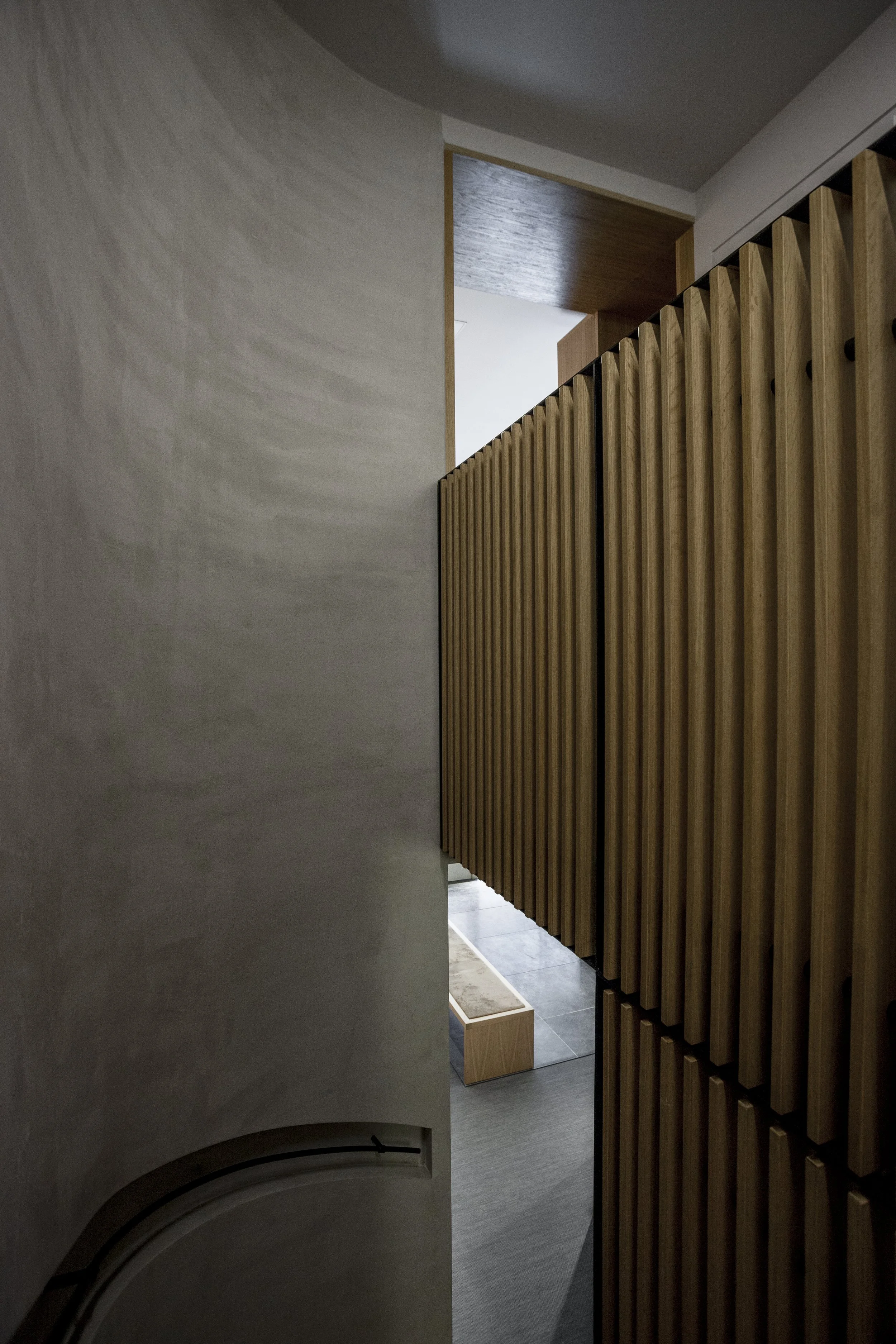
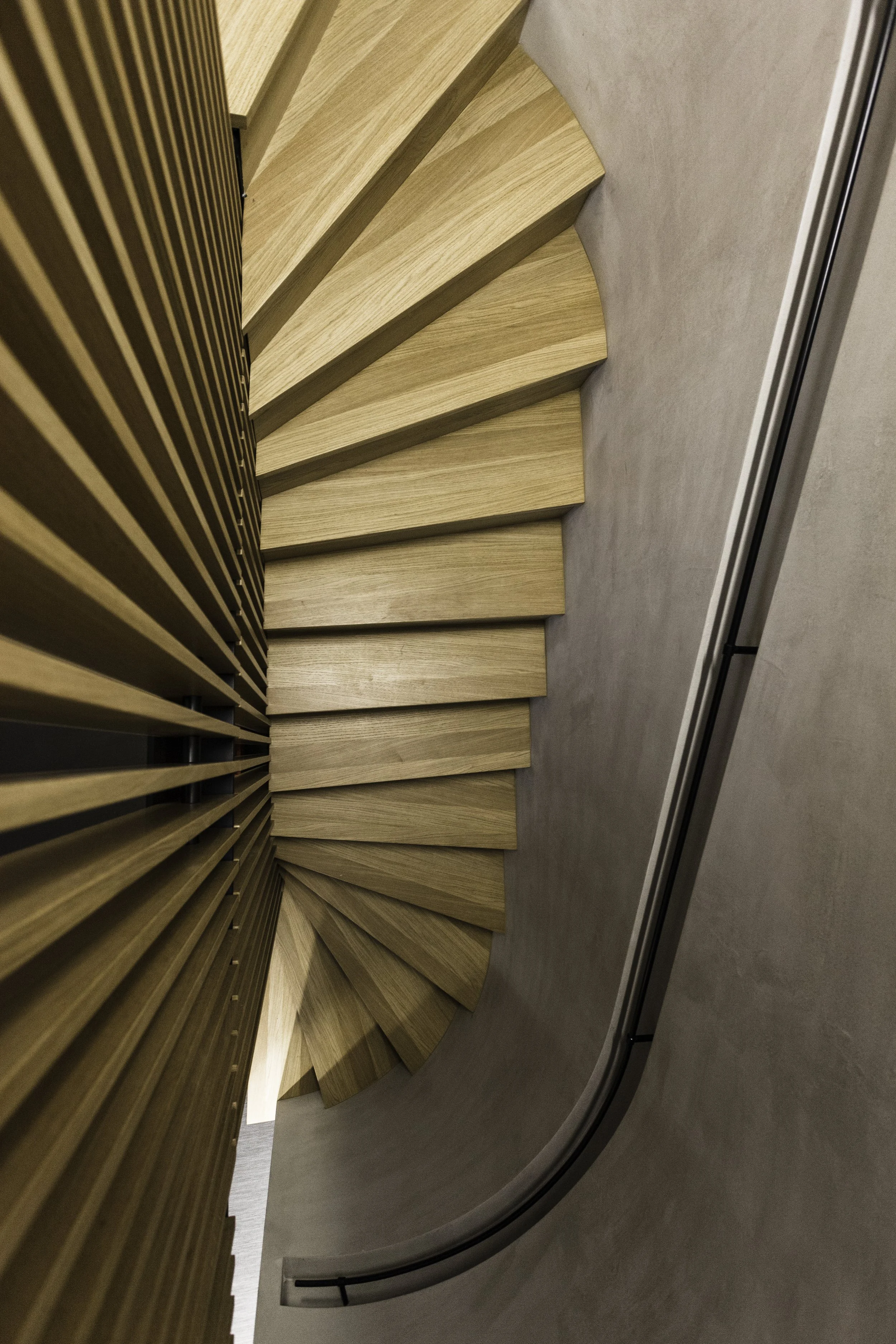
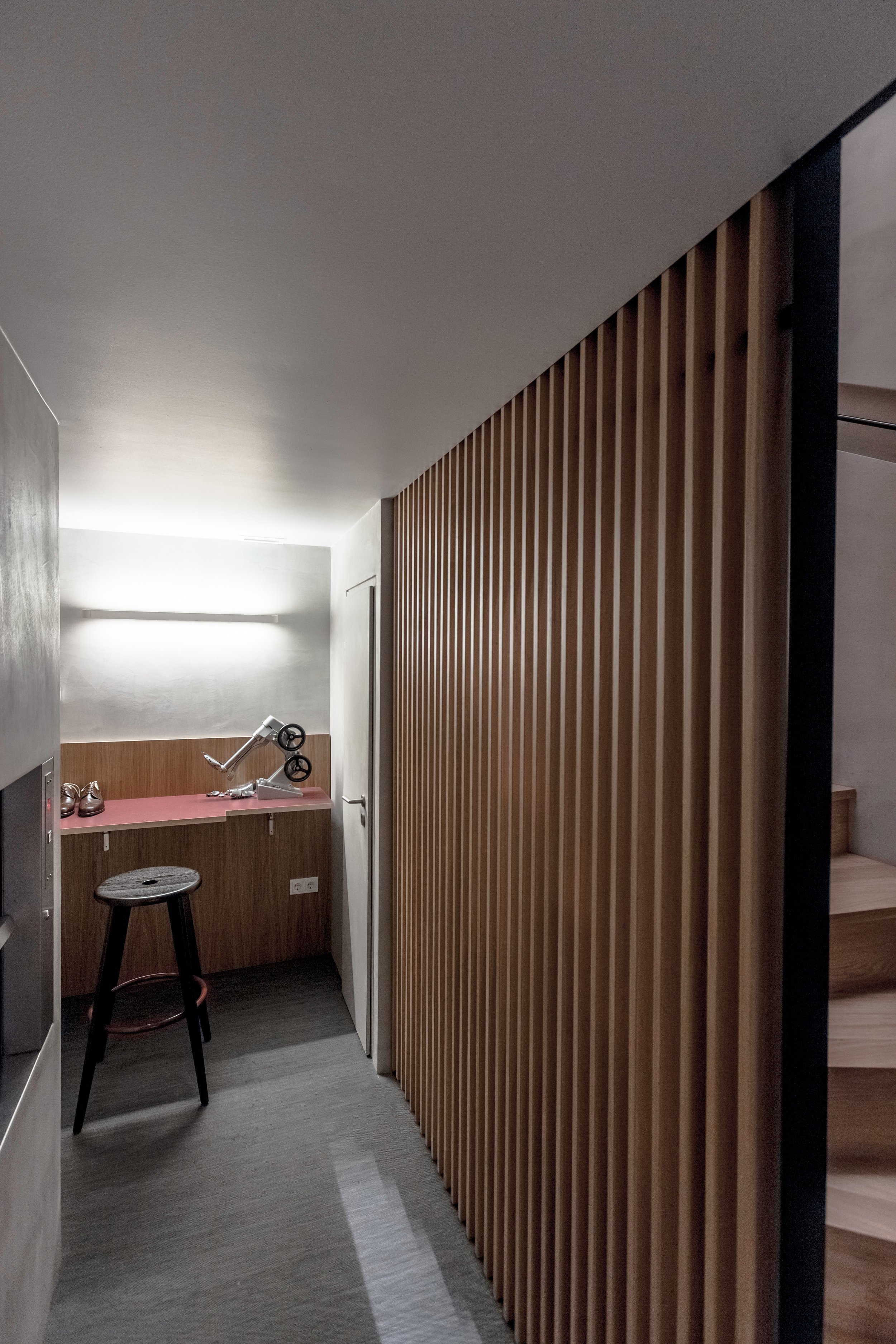
This fusion of craft and art became the conceptual starting point for T2.a Architects when they were commissioned to design Vass Shoes’ new boutique just a few steps from the thirty-year-old workshop. In the nineteenth and early twentieth centuries, Budapest’s inner districts were defined by small ateliers—tailors, hatmakers, shoemakers—embedded in the urban fabric. The city has since transformed, and only a few masters remain. The new shop does not attempt to recreate a nostalgic past; instead, it translates the essence of that historic urban condition into a contemporary interior and façade—precise, disciplined, and quietly expressive.
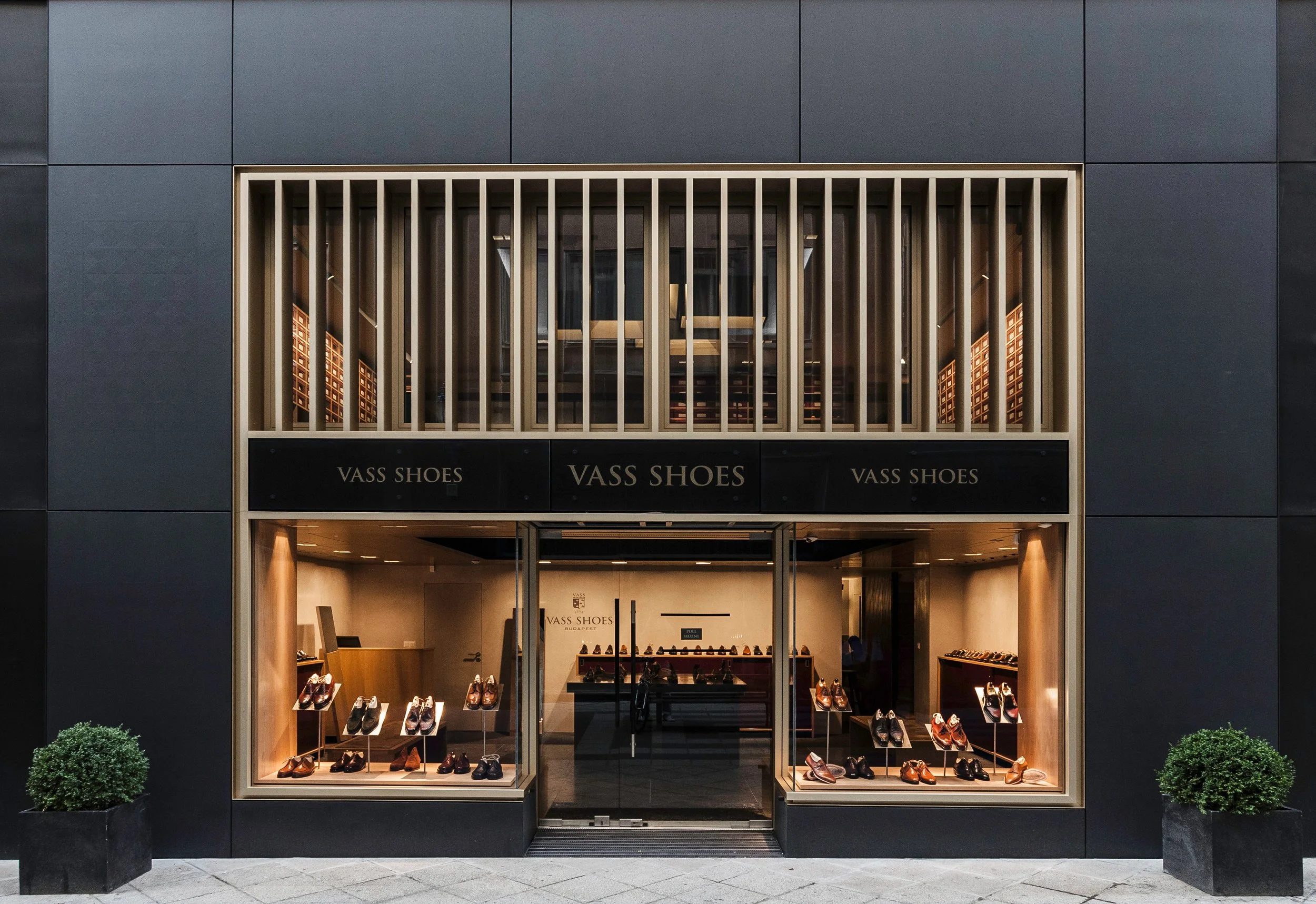
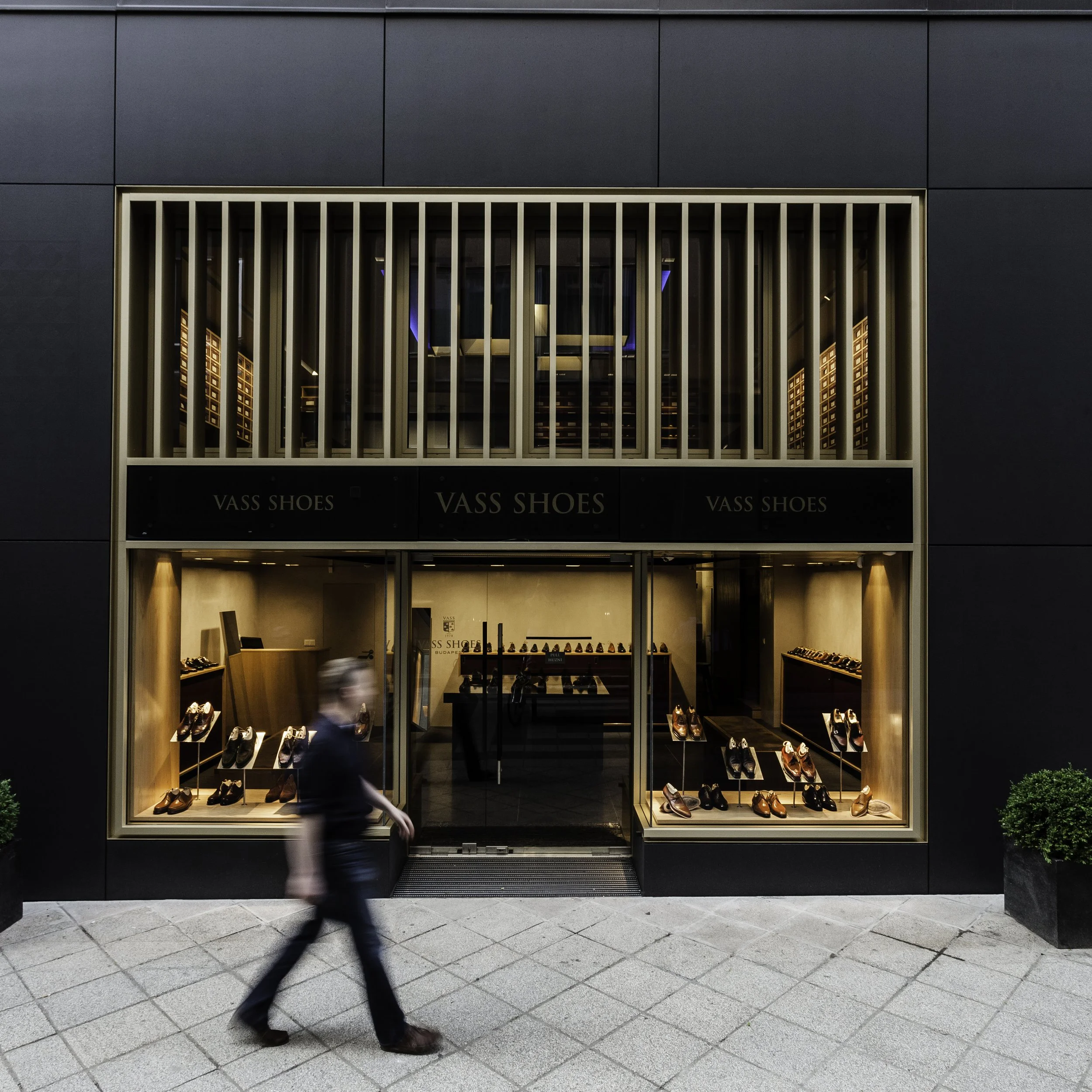
The project’s ambition is equally legible in its relationship to the street. T2.a Architects set out to reinterpret the classic Budapest storefront in contemporary terms. Historic shopfronts typically integrated small, highly specific elements for identification and invitation: a carefully recessed entrance with a well-crafted knob, a composed shading strategy, gilded lettering on dark glazing. Such details—characteristic of Hungarian and Central European streetscapes—are not treated here as decoration, but as a typological memory to be translated.
The new façade becomes a precise threshold between interior and exterior, representing the world within to passers-by without theatricality. Its material presence is defined by a restrained palette and a strong tectonic logic: large-scale, fibre-reinforced concrete cladding panels by Rieder, used as thin yet emphatic planes that frame the shopfront with contemporary clarity. The façade is composed of panels in the distinctive size 1.25 × 250 cm, creating a measured rhythm and an unmistakable scale at close range. Paired with gold-anodized aluminium profiles, the concrete establishes a quiet, modern simplicity—harmonizing with the intimate downtown street while distinguishing the boutique through understatement and precision.

Function: retail
Typology: new
Year of completion: 2012
Area: 120 m²
Developer: Vass László Kézimunka Cipőkészítő Kft. / www.vass-cipo.hu, Vass László and Vass Éva
Architects: Gábor Turányi, Bence Turányi, Anna Turányi
Collaborators: Pinczés Éva, Radványi Péter, Róka Zsolt
Photographer: Zsolt Batár